


Methods for Relieving Rheumatic Pain
Aug 24, 2022
Source: Cainiu Health

Dr. Liu Aihua
Introduction
Pain caused by rheumatism can be alleviated by applying local heat therapy to the affected area. For patients with severe pain, analgesics may be taken under a physician’s guidance. In patients with long-standing disease, anti-rheumatic and immunomodulatory medications may be prescribed, as appropriate, under medical supervision.
Rheumatoid arthritis (RA) is a chronic autoimmune disease capable of eroding joints and cannot be completely cured. In medicine, it is often referred to as “immortal cancer,” highlighting the profound and persistent damage it inflicts on the human body. Given the wide range of symptoms RA causes, appropriate therapeutic interventions are essential to alleviate its effects. So, what are effective methods for relieving rheumatic pain?
Methods for Relieving Rheumatic Pain
Pain caused by rheumatism can be alleviated through localized heat application to the affected area. For patients experiencing severe pain, analgesics may be prescribed under a physician’s guidance. In cases of long-standing disease, anti-rheumatic and immunomodulatory medications may be cautiously administered—also under medical supervision. Traditional Chinese medicine (TCM) also demonstrates favorable efficacy for such patients: oral herbal decoctions may be prescribed, while topical herbal applications or herbal steam therapy (fumigation) can be used externally on affected joints. Generally, patients with rheumatoid arthritis should observe bed rest until core symptoms subside. After approximately two weeks of improvement, they may gradually resume light activity—but prolonged standing or walking should be avoided.
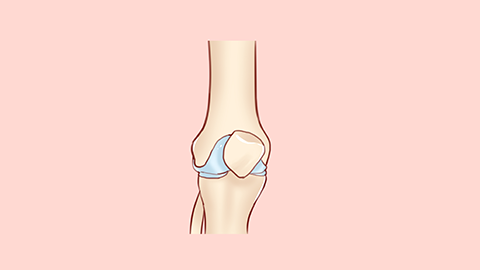
Generally speaking, rheumatoid arthritis is not directly caused by calcium deficiency; however, calcium metabolism disturbances and bone loss are common complications. Therefore, maintaining adequate calcium intake—as part of a balanced diet—is important for supporting bone health and potentially mitigating disease-related skeletal damage. Consuming calcium-rich foods such as milk and bone broth may contribute beneficially to overall musculoskeletal health. Environmental factors—including exposure to cold, damp conditions—can trigger or exacerbate RA symptoms; thus, improving one’s living environment is crucial. Ensure regular indoor ventilation and frequently air bedding and clothing in sunlight. To better prevent RA flare-ups, enhancing immune resilience is vital. Engaging in regular, appropriate physical exercise—tailored to individual capacity—and maintaining consistency helps strengthen the body and improve overall immunity.

It is recommended to consume foods rich in protein and vitamins, while limiting intake of sweets, spicy foods, and seafood. We hope this information proves helpful to you.




