


Is rhinitis hereditary?
Aug 24, 2022
Source: Cainiu Health

Dr. Xu Gang
Introduction
Rhinitis can be hereditary. Most parents and children with rhinitis have a family history of the condition, indicating a relatively high degree of heritability. Regardless of whether it is inherited, treatment is unnecessary in the absence of symptoms. However, if nasal congestion, rhinorrhea, or headache occurs, prompt medical intervention is required. Rhinitis includes allergic rhinitis, simple rhinitis, and sinusitis; ketotifen nasal drops may be used under a physician’s guidance.
Rhinitis is a very common condition in daily life, yet it can cause significant discomfort to patients—impairing normal breathing and sometimes even triggering dizziness. So, is rhinitis hereditary?
Is rhinitis hereditary?
Yes, rhinitis can be inherited. A relatively high proportion of children whose parents have rhinitis also develop the condition, indicating a notable genetic predisposition. However, regardless of family history, treatment is unnecessary if no symptoms are present. If symptoms such as nasal congestion, rhinorrhea, or headache occur, prompt medical intervention is recommended. Rhinitis encompasses several subtypes—including allergic rhinitis, simple (non-allergic) rhinitis, and sinusitis. Under a physician’s guidance, ketotifen nasal drops may be used for allergic rhinitis, while Biyan Kang tablets are indicated for simple rhinitis.
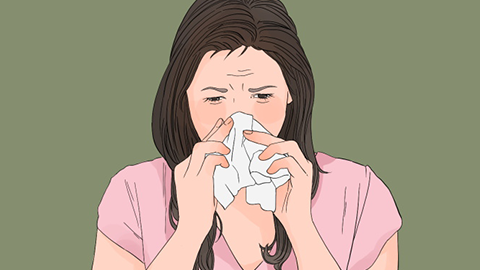
Treatment options for rhinitis include both conservative (non-surgical) and surgical approaches. Some therapies aim to control recurrent symptoms, while others may offer definitive cure. For mild chronic sinusitis, drug therapy—such as oral clarithromycin, intranasal corticosteroid sprays, and nasal decongestants—may be prescribed under medical supervision; most cases resolve within 2–3 months. Patients with chronic sinusitis who respond poorly to medication may require surgical intervention. In contrast, management of allergic rhinitis is largely symptomatic, focusing on controlling recurrent symptoms.
Patients are advised to maintain a light, bland diet in daily life—limiting beer consumption and avoiding spicy foods. We hope this information proves helpful.




