What Causes Nosebleeds in Children?
Aug 24, 2022
Source: Cainiu Health

Dr. Xu Gang
Introduction
Nosebleeds in children are commonly caused by “excess internal heat” (a traditional Chinese medicine concept). Because children’s bodies tend to have relatively abundant Yang energy, they are more prone to nosebleeds when internal heat accumulates. Additionally, poor habits such as nose-picking can damage the nasal mucosa and lead to epistaxis. Furthermore, low humidity in the child’s living environment may also contribute to frequent nosebleeds.
Many children experience nosebleeds (epistaxis) in daily life, yet the underlying causes often remain unclear. So, what are the common causes of nosebleeds in children?
What Causes Nosebleeds in Children?
Nosebleeds in children are most commonly attributed to “excess internal heat” (a traditional Chinese medicine concept), often resulting from an overabundance of yang energy in their bodies. When internal heat accumulates, children become particularly susceptible to epistaxis. Additionally, poor habits such as frequent nose-picking can traumatize the nasal mucosa and lead to bleeding.

Nosebleeds may also occur frequently if the child’s living environment has low humidity, drying out the nasal mucosa and making it more prone to cracking and bleeding. Underlying hematologic disorders—such as thrombocytopenia, coagulation factor deficiencies, or leukemia—can likewise manifest as recurrent epistaxis. Nasal trauma is another common cause in children. Due to their high activity levels and developing motor coordination, children are more prone to accidents than adults. The nose is a relatively fragile facial structure; even minor trauma can result in epistaxis, and severe injuries may cause significant hemorrhage. Furthermore, iatrogenic trauma—such as that occurring during pediatric nasal endoscopy—can also trigger bleeding. Because children have narrower nasal passages and smaller anatomical fields of view, procedural errors may inadvertently cause fractures of delicate structures like the cribriform plate or sphenoid bone, leading to epistaxis or hematoma formation.
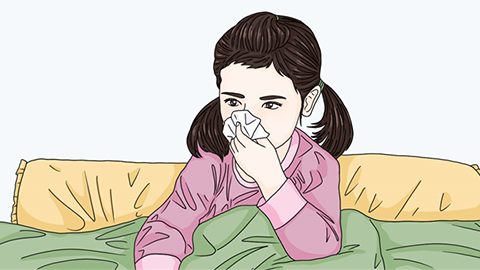
Epistaxis is a symptom with multiple potential etiologies; therefore, when the specific cause remains unclear, prompt medical evaluation is essential. Treatment must be tailored to the underlying diagnosis and administered under the supervision of a qualified physician in a clinical setting, using appropriate medications and interventions. We hope this information proves helpful!