


What Causes Nosebleeds in Children?
Aug 24, 2022
Source: Cainiu Health

Dr. Xie Zixing
Introduction
Abnormal nosebleeds in children may first be caused by local factors such as juvenile nasopharyngeal angiofibroma and vestibulitis of the nasal cavity. Systemic causes may also contribute, including hematologic disorders (e.g., hemophilia), rheumatic diseases, certain connective tissue disorders, upper respiratory tract infections, congestive heart failure, and vitamin deficiencies—any of which can lead to epistaxis in children.
Children are less resilient than adults in virtually every aspect. Some children experience nosebleeds (epistaxis). So, what causes nosebleeds in children?
What Causes Nosebleeds in Children?
Abnormal nosebleeds in children may initially stem from local factors such as juvenile nasopharyngeal angiofibroma or vestibulitis of the nasal vestibule. Systemic causes may also contribute, including hematologic disorders (e.g., hemophilia), rheumatic diseases, certain connective tissue disorders, upper respiratory tract infections, congestive heart failure, and vitamin deficiencies.
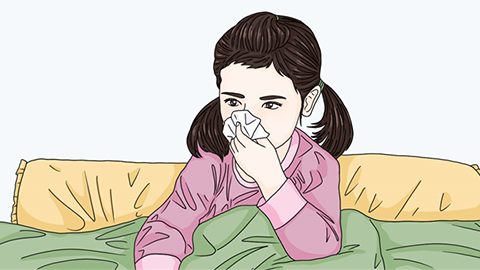
Common local causes include nasal conditions—beyond vestibulitis and atrophic rhinitis—such as dry rhinitis, nasal foreign bodies, nasal angiomata, and juvenile nasopharyngeal angiofibroma. Isolated diphtheria of the nose is relatively rare and typically occurs in newborns; it usually presents with blood-tinged nasal discharge but no systemic toxic symptoms. As a contagious disease, it is easily overlooked or misdiagnosed.
Major systemic causes include hematologic disorders such as leukemia, hemophilia, idiopathic thrombocytopenic purpura (ITP), and aplastic anemia. Severe anemia may also be implicated. Rheumatic fever and other connective tissue disorders can cause fever, arthralgia/arthritis, and epistaxis. Upper respiratory tract infections may manifest with fever, rhinorrhea, sneezing, nasal congestion, and epistaxis.
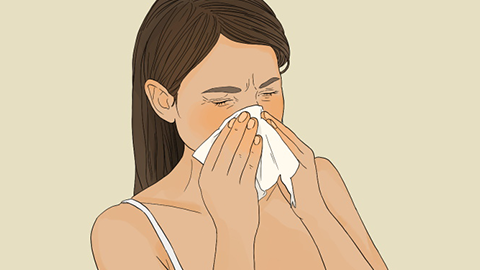
Once a child experiences a nosebleed, prompt medical evaluation and treatment are essential.





