


How to Remove Tonsil Stones
Aug 24, 2022
Source: Cainiu Health

Dr. Zhang Liwen
Introduction
For small, asymptomatic tonsil stones, rinsing the mouth with warm water can effectively remove them. Specifically, dissolve an appropriate amount of salt in warm water and tilt your head backward while gargling. This method not only efficiently dislodges stones lodged in the crypts but is also gentle—causing no harm to the tonsils—and helps alleviate discomfort and the sensation of a foreign body associated with tonsil stones.
Tonsil stones (tonsilloliths) are a very common condition. In many cases, patients can safely remove them at home. So, how should tonsil stones be removed?
How to Remove Tonsil Stones
For small, asymptomatic tonsil stones, rinsing with warm saline solution is often effective. To do this, dissolve an appropriate amount of salt in warm water and tilt your head backward while gargling. This method not only helps dislodge stones lodged in the crypts but is also gentle—minimizing risk of injury to the tonsillar tissue—and may alleviate discomfort or the sensation of a foreign body. If the stones are larger and resistant to saline rinses, you may carefully remove them using a spoon or tweezers while looking into a mirror with your mouth wide open. Ensure that your technique remains extremely gentle to avoid damaging the soft tonsillar tissue or fragmenting the stone, which could potentially lead to further oral infection.

In severe cases—particularly when surrounding pus formation (abscess) is present—oral antibiotics such as penicillin or erythromycin may be prescribed to reduce inflammation. Note, however, that antibiotic therapy addresses only the inflammatory component and does not eliminate the underlying cause. Once inflammation subsides, patients should continue with saline gargles and mechanical removal techniques to clear remaining stones.
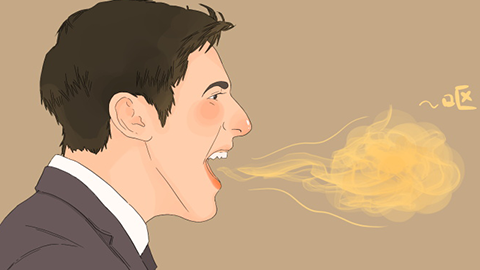
Tonsil stones often develop due to food debris accumulating in the oral cavity. Maintaining good oral hygiene—including rinsing or gargling with water immediately after meals—can help prevent their formation. Additionally, combining regular toothbrushing with dental floss reduces plaque buildup and minimizes food residue, thereby lowering the likelihood of tonsil stone development. We hope this article has been helpful. Wishing you a happy, healthy life!



