


What Causes Tonsillitis?
Aug 24, 2022
Source: Cainiu Health

Dr. Xu Gang
Introduction
Tonsillitis is an acute inflammation of the tonsils, commonly affecting the ear, nose, and throat. It typically arises from one of two causes. The first is endogenous infection: under normal circumstances, common commensal microorganisms—such as beta-hemolytic streptococci, Streptococcus pyogenes, Streptococcus pneumoniae, Haemophilus influenzae, and even anaerobic bacteria—reside on the surface of the oral cavity and tonsils without causing disease.
The tonsils remain critically important to the human body, helping protect the mouth and nose against invading bacteria and viruses. However, due to their unique anatomical location, the tonsils are also more susceptible to external pathogens. So, what causes tonsillitis?
Causes of Tonsillitis
Tonsillitis is an acute inflammation of the tonsils—part of the ear, nose, and throat (ENT) system—and typically arises from one of two main causes. First, endogenous infection: under normal conditions, common commensal microorganisms—including beta-hemolytic streptococci, Streptococcus pyogenes, Streptococcus pneumoniae, Haemophilus influenzae, and even anaerobic bacteria—reside on the surface of the oral cavity and tonsils without causing disease. However, when certain predisposing factors are present—such as the common cold, exposure to cold, excessive fatigue, heavy smoking or alcohol consumption, or diminished immune resistance due to general weakness—these microbes may proliferate and trigger tonsillar infection and inflammation. Second, exogenous infection—either direct or indirect—can occur via respiratory droplets, inhalation, saliva, sharing of utensils, or kissing.
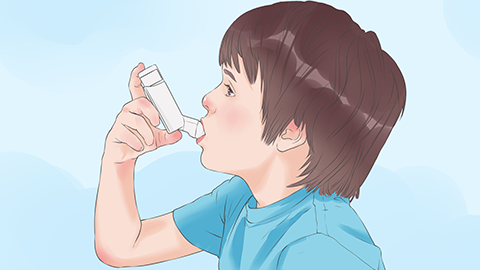
Tonsillitis is primarily caused by bacterial or viral infections. Treatment focuses on anti-inflammatory and antimicrobial therapy. Antibiotics such as oral amoxicillin or roxithromycin are commonly prescribed for bacterial infections; antiviral oral solutions may be used for viral cases. Topical application of iodine glycerin to the tonsillar surface helps disinfect and reduce inflammation. Inhalation therapy with budesonide and gentamicin—administered once daily for 15 minutes, twice per day, over a 5-day course—may also be employed. Patients may rinse their mouth with chlorhexidine gluconate mouthwash to alleviate pharyngeal swelling and pain. If acute tonsillitis remains untreated and progresses to suppurative tonsillitis accompanied by systemic high fever, corticosteroids such as dexamethasone may be required for symptomatic management and control of severe inflammation. Prompt and active treatment of tonsillitis is essential to prevent disease progression and transmission.

Patients with tonsillitis should pay close attention to dietary habits. A light, bland diet is recommended. Spicy, irritating, or allergenic foods should be avoided during the acute phase. Early diagnosis and timely treatment are strongly advised upon symptom onset. We hope this information proves helpful.



