


What Causes Dizziness, Nausea, and Vomiting After Eating?
Aug 24, 2022
Source: Cainiu Health

Dr. Zhao Haiming
Introduction
Dizziness, nausea, and vomiting after meals may indicate a gastrointestinal neuromuscular dysfunction. These symptoms could be caused by gastroenteritis resulting from ingestion of contaminated food, or they may stem from overeating. If gastroenteritis is present, patients may also experience diarrhea, fever, and other discomforts. Further evaluation should include complete blood count (CBC) and stool routine examination. Anti-inflammatory treatment may be warranted if indicated.
Many people experience this sensation in daily life: sudden nausea and a feeling of wanting to vomit after meals or upon waking up and brushing their teeth in the morning. This phenomenon can cause significant distress, necessitating timely understanding and appropriate treatment. So, what causes dizziness, nausea, and vomiting after eating?
What Causes Dizziness, Nausea, and Vomiting After Eating?
Dizziness, nausea, and vomiting following meals may indicate gastrointestinal neurofunctional disorder. It could be triggered by gastroenteritis resulting from unhygienic food intake, or simply from overeating. In cases of gastroenteritis, patients may concurrently experience symptoms such as diarrhea and fever. Further diagnostic evaluation—including complete blood count (CBC) and stool routine examination—is recommended. If necessary, anti-inflammatory therapy may be administered. Commonly used anti-inflammatory agents include gentamicin and cephalosporins; intravenous or oral rehydration therapy may also be required.
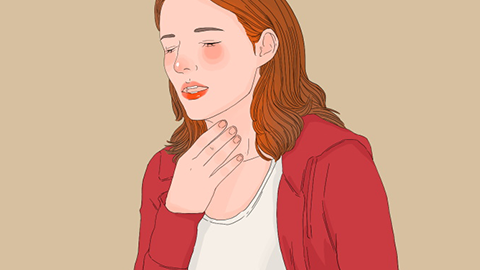
Nausea after meals may also stem from spleen-stomach deficiency (a concept in Traditional Chinese Medicine). A combined therapeutic approach—incorporating herbal remedies such as jujube (Chinese date) and hawthorn—is recommended. Consistent consumption over time can yield beneficial effects. Additionally, maintaining regular meal schedules and eating slowly is essential. Eating too quickly prevents the brain from receiving timely satiety signals from the gastrointestinal tract, potentially leading to overeating.
Patients are advised to pay appropriate attention to dietary habits in daily life and avoid binge eating or overindulgence. We hope this information proves helpful.








