What should I do if I constantly suffer from insomnia?
Aug 24, 2022
Source: Cainiu Health

Dr. Zhao Haiming
Introduction
Chronic insomnia calls for maintaining a natural, relaxed mindset, which can help alleviate the condition. There are many ways to manage insomnia—for example, drinking a cup of warm milk half an hour before bedtime can significantly aid sleep regulation. Taking a warm bath or soaking your feet is also safe and beneficial for sleep. Avoid prolonged use of mobile phones or computers right before bed, and refrain from watching stimulating TV shows or movies. Additionally, avoid consuming coffee.
Insomnia and frequent dreaming at night are common issues. First and foremost, it’s essential to adjust your mindset. Recognize that stress from work and daily life is inevitable; however, once you’ve finished work for the day, it’s time to mentally “clock out”—avoid carrying work-related emotions into your personal time. Doing otherwise not only impairs work performance but also negatively affects overall quality of life. So, what should you do if chronic insomnia persists?
What to Do for Chronic Insomnia
For persistent insomnia, maintaining a natural, relaxed mindset can significantly aid in alleviating symptoms. There are numerous strategies to help regulate sleep: for instance, drinking a cup of warm milk 30 minutes before bedtime can promote better sleep; taking a warm bath or soaking your feet may also be beneficial and poses no harm to sleep. Avoid prolonged use of smartphones or computers right before bed, and refrain from watching stimulating TV shows or movies. Additionally, avoid caffeine-containing beverages such as coffee and cola, as well as other stimulants. Optimize your sleep environment by keeping lighting dim, and engage in moderate outdoor activities during the day to help induce physical fatigue.
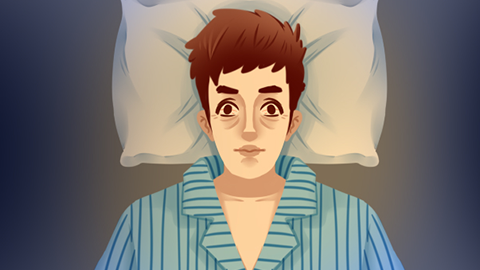
Due to today’s fast-paced lifestyle, many people experience heightened psychological and mental stress, making nighttime insomnia particularly common. In such cases, psychological counseling is strongly recommended—and if necessary, consultation with a mental health specialist or visit to a psychological clinic is advised. For individuals suffering from chronic insomnia, insufficient nighttime sleep inevitably disrupts daily functioning. In these situations, prescription sedative-hypnotic medications may be taken orally under medical supervision to facilitate sleep onset.
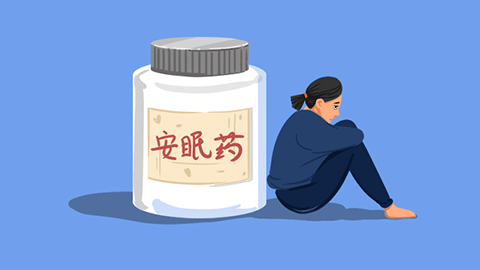
Additionally, traditional Chinese herbal medicine may be taken regularly to improve constitutional balance and enhance sleep quality. Complementary acupuncture therapy can further support improved sleep outcomes. We hope this information proves helpful to you.