


What Is the Difference Between Depression and Anxiety?
Aug 24, 2022
Source: Cainiu Health

Dr. Wang Mingxin
Introduction
Anxiety disorders are primarily characterized by anxiety symptoms, with excessive anxiety being the core feature. Depression is a mental disorder characterized by marked and persistent low mood, accompanied by corresponding abnormal thoughts and behaviors. Depressed mood and diminished interest or pleasure are the core features of depression. When anxiety and depression co-occur, a diagnosis of both depression and anxiety may be made.
Anxiety and depression are both mood disorders—or, more precisely, emotional/psychological disorders. They vary in severity: mild, moderate, and severe. In psychiatric classification, depression is considered a more serious condition than anxiety disorder; thus, depression is categorized as a severe mood disorder, whereas anxiety disorder is generally regarded as milder and presents with distinct symptoms. So, what are the key differences between depression and anxiety disorder?
What Are the Differences Between Depression and Anxiety Disorder?
Anxiety disorders are primarily characterized by symptoms of anxiety, with excessive, persistent anxiety being the core feature. In contrast, depression is a psychiatric disorder defined by pronounced, enduring low mood, accompanied by corresponding disturbances in thinking and behavior. The hallmark features of depression are depressed mood and diminished interest or pleasure (anhedonia). When anxiety and depression co-occur, a dual diagnosis of both depression and anxiety may be warranted. A critical distinguishing factor lies in whether the two symptom clusters appear and remit simultaneously. Importantly, depression is classified as a mood disorder—a type of psychiatric illness.
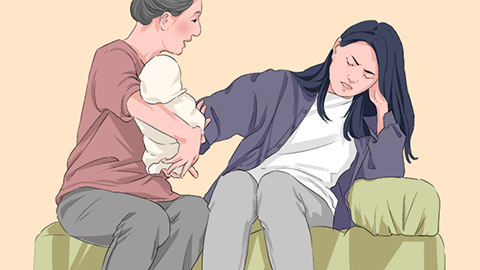
In daily life, efforts should be made to foster happiness and well-being for the patient. Most individuals with depression are kind-hearted and empathetic, often prioritizing others’ needs over their own. At times, they may harshly criticize or devalue themselves due to specific events—yet in reality, they are often highly capable and deserving of a joyful, fulfilling life. Cultivating such positivity can help alleviate and even prevent depressive symptoms. Additionally, patients should be encouraged to increase social engagement—building friendships, participating in community activities, and connecting with others who share common interests and values. Sharing concerns, joys, confusions, or discomforts with trusted friends promotes open communication and strengthens interpersonal bonds.

Patients are advised to maintain a balanced diet and adopt a proactive, positive attitude toward life. We hope this response proves helpful to you.





