


Why Do People Experience Insomnia?
Aug 24, 2022
Source: Cainiu Health

Dr. Zhao Haiming
Introduction
Insomnia can be associated with environmental factors and lifestyle behaviors. Environmental factors include changes in one’s living environment—such as working night shifts, experiencing jet lag from travel, or exposure to noise or light in the bedroom. Insomnia caused by environmental factors typically resolves spontaneously within a short period as the individual adapts. Lifestyle-related factors include habits such as spending excessive time at home, napping during the day, and feeling overly alert or stimulated at night.
Insomnia is a very common phenomenon. If it persists for an extended period, it warrants attention, as it may indicate an underlying medical condition. Without timely improvement, chronic insomnia can lead to significant dysregulation of bodily functions. So, what causes insomnia?
Causes of Insomnia
Insomnia is associated with environmental factors and lifestyle behaviors. Environmental factors include changes in one’s living environment—such as working night shifts, experiencing jet lag from travel, or exposure to excessive noise or light in the bedroom. Insomnia triggered by such environmental factors typically resolves spontaneously within a short time as the body adjusts. Lifestyle-related factors also play a role—for instance, individuals who spend most of their time at home may nap during the day and become overly alert or stimulated at night, resulting in a reversed sleep–wake cycle that frequently leads to insomnia.
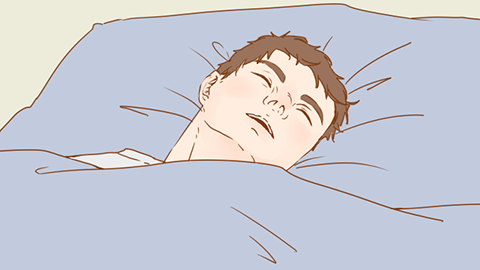
Excessive fatigue, pain, coughing, palpitations due to hyperthyroidism, and frequent urination caused by various conditions can all contribute to insomnia. Physiologically induced insomnia is often characterized by repeated nocturnal awakenings. Underlying medical conditions causing insomnia frequently affect multiple organ systems—including cardiovascular, digestive, endocrine, and nervous systems—and if left untreated or inadequately managed, can significantly impair overall health. Patients should generally maintain a positive mood, engage in appropriate physical exercise, and adjust their dietary habits accordingly. Moreover, insomnia accompanied by vivid dreams or frequent awakenings may signal certain underlying diseases; therefore, prompt medical evaluation and targeted treatment of both the root cause and symptoms are strongly recommended.
In daily life, maintain regular eating habits—avoid spicy or stimulating foods, refrain from overeating or binge eating, and avoid staying up late. We hope this information proves helpful to you.




