


Why Do People Experience Insomnia?
Aug 24, 2022
Source: Cainiu Health

Dr. Zhao Haiming
Introduction
Insomnia has many causes and can be categorized as either physiological or pathological. Physiological insomnia is commonly triggered by factors such as excessive stress from various sources and noisy or unstable living environments; insomnia resulting from these factors can often be alleviated by modifying one’s living environment and improving lifestyle habits. Pathological insomnia may occur in conditions such as neurasthenia, anxiety disorders, and depression.
Insomnia is a serious and widespread problem affecting modern individuals, as frequent insomnia can cause dizziness during the day and severely impair learning and work efficiency. There are many types of insomnia, one of which is insomnia caused by kidney deficiency. Individuals with kidney deficiency often suffer from severe insomnia and require timely intervention. However, many people know little about this type of insomnia. So, what causes insomnia?
What Causes Insomnia?
Insomnia has numerous causes, broadly categorized as physiological or pathological. Physiological insomnia is commonly triggered by intense stress from various sources, noisy or unstable living environments, and similar factors. Insomnia resulting from these causes can often be alleviated by modifying one’s living environment and adopting healthier lifestyle habits. Pathological insomnia may occur in conditions such as neurasthenia, anxiety disorders, and depression. In these cases, insomnia primarily stems from dysfunction of the nervous system. With appropriate and effective treatment of the underlying condition, insomnia symptoms typically improve significantly.
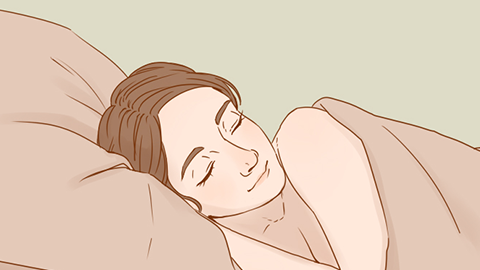
If insomnia is short-term, adjusting daily routines and sleep schedules can improve sleep quality and alleviate symptoms. For chronic insomnia, in addition to optimizing lifestyle, sleep hygiene, and dietary habits, pharmacological intervention may also be necessary. In cases of sleep-maintenance disorder, sedative-hypnotics or antidepressants—prescribed and monitored by a physician—can help improve both sleep and mood.
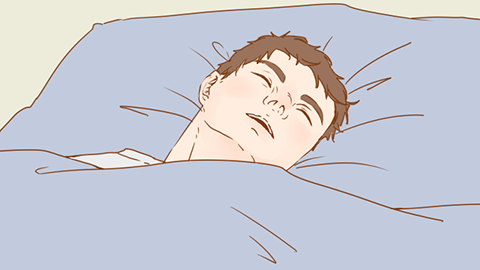
In daily life, maintain regular, balanced meals; avoid spicy, stimulating, or overly rich foods; refrain from binge eating; and avoid staying up late. We hope this information proves helpful to you.




