


What causes dizziness, nausea, and profuse sweating?
Aug 24, 2022
Source: Cainiu Health

Dr. Zhao Haiming
Introduction
Dizziness, nausea, and generalized sweating are symptoms that may result from hypotension, hypoglycemia, anemia, or malnutrition. They may also represent early signs of conditions such as cervical spondylosis, cardiac arrhythmia, or cerebral infarction. It is recommended to seek prompt medical evaluation at a hospital. Diagnostic tests—including complete blood count (CBC), trace element analysis, and blood glucose measurement—may be performed. Once a diagnosis is established, appropriate treatment can be initiated. Additionally, maintaining regular, balanced meals is essential in dietary management.
In daily life, many people experience noticeable dizziness and nausea. Sometimes these symptoms result from overwork, but at other times they may stem from underlying medical conditions. However, many individuals tend to overlook these symptoms, perceiving them as insignificant rather than recognizing them as potential warning signs. Consequently, they often forgo targeted treatment—ultimately compromising their overall health. So, what causes dizziness, nausea, and profuse sweating?
What Causes Dizziness, Nausea, and Profuse Sweating?
Dizziness, nausea, and excessive sweating may arise from conditions such as hypotension (low blood pressure), hypoglycemia (low blood sugar), anemia, or malnutrition. They can also be early manifestations of more serious disorders—including cervical spondylosis, cardiac arrhythmias, or cerebral infarction. It is strongly recommended that individuals experiencing these symptoms seek prompt medical evaluation. Diagnostic tests—including complete blood count (CBC), trace element analysis, and blood glucose testing—may be performed to identify the underlying cause, enabling appropriate treatment. Regarding diet, it is essential to maintain regular, balanced meals with comprehensive nutrition and avoid picky eating habits. Additionally, moderate physical exercise is encouraged to strengthen overall constitution—but overexertion should be avoided.
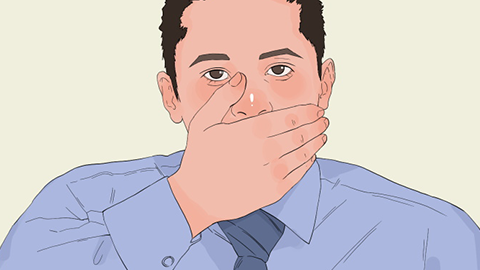
Prolonged desk work—common among today’s white-collar workers who spend extended hours facing computer screens while maintaining static postures—can lead to neck muscle tension and subsequent dizziness. Incorporating regular neck-strengthening exercises, acupuncture, or massage therapy may help alleviate these symptoms. Simple daily neck rotations can also effectively reduce dizziness. Moreover, liver disorders—including fatty liver disease, alcoholic liver disease, hepatitis B, or hepatitis C—can impair oxygen delivery to tissues due to compromised hepatic function, resulting in dizziness and nausea, as well as disrupted digestion and nutrient absorption.
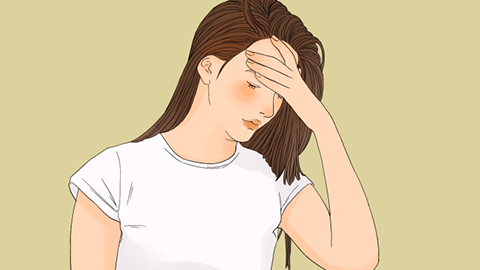
Patients are advised to seek timely medical care upon noticing any concerning symptoms. We hope this information proves helpful.







