


Somatic Symptoms of Depression
Aug 24, 2022
Source: Cainiu Health

Dr. Zhang Xiaoming
Introduction
Depression is a typical mood disorder that may present with various somatic symptoms and manifestations, primarily including sleep disturbances, autonomic nervous system dysfunction, eating disorders, reduced energy levels, and sexual dysfunction—such as early-morning awakening, insomnia, dizziness, and anorexia. The most common symptom among patients is early-morning awakening, often occurring 2–3 hours earlier than their usual wake-up time, followed by difficulty returning to sleep.
Currently, the prevalence of depression is high. Most patients experience low self-esteem or frequent anxiety; in some cases, persistent feelings of self-blame or guilt may contribute to the development of depression. Prevention is therefore critically important—so what are the somatic symptoms of depression?
Somatic Symptoms of Depression
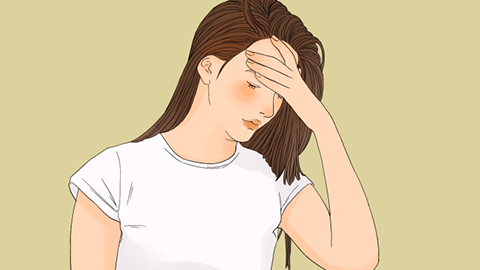
Depression is a typical mood disorder that may manifest with various somatic symptoms and signs, including sleep disturbances, autonomic nervous system dysfunction, eating disorders, reduced energy levels, and sexual dysfunction. Common manifestations include early-morning awakening, insomnia, dizziness, and anorexia. The most frequently reported symptom among patients is early-morning awakening—often occurring 2–3 hours earlier than usual, followed by difficulty returning to sleep. During depressive episodes, some patients may also experience dizziness, headache, palpitations, shortness of breath, excessive sweating of the hands and feet, or abnormal skin sensations such as numbness.
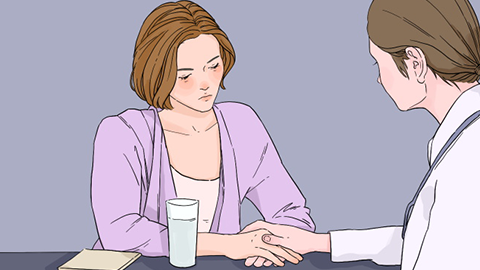
The optimal treatment for depression is comprehensive and multimodal, incorporating pharmacotherapy, psychotherapy, and physical treatments. Selective serotonin reuptake inhibitors (SSRIs) are the most commonly prescribed antidepressants and include five primary agents: fluoxetine, paroxetine, sertraline, fluvoxamine, and citalopram. Psychotherapeutic approaches for depression mainly include supportive psychotherapy, cognitive-behavioral therapy (CBT), interpersonal therapy (IPT), and marital or family therapy. In certain severe or treatment-resistant cases, non-convulsive electroconvulsive therapy (ECT) may be indicated.
It is recommended that individuals with depression closely monitor both their psychological and physical changes in daily life and proactively learn about relevant information to avoid delays in diagnosis and treatment. We hope this response has been helpful to you.


