


Somatic Symptoms of Depression
Aug 24, 2022
Source: Cainiu Health

Dr. Zhang Xiaoming
Introduction
Depression is a typical mood disorder that may present with various somatic symptoms and manifestations, primarily including sleep disturbances, autonomic nervous system dysfunction, eating disorders, and sexual dysfunction—such as early morning awakening, insomnia, dizziness, and anorexia. The most common symptom is early morning awakening, often occurring 2–3 hours earlier than the usual wake-up time, accompanied by difficulty returning to sleep. Other sleep-related symptoms may include insomnia, frequent dreaming, and poor sleep quality.
In real life, many patients develop depression due to various factors, posing a significant threat to both physical and mental health and substantially diminishing quality of life. What, then, are the somatic manifestations of depression?
Somatic Manifestations of Depression
Depression is a typical psychiatric disorder that may present with various somatic symptoms, primarily including sleep disturbances, autonomic nervous system dysfunction, eating disorders, and sexual dysfunction—such as early morning awakening, insomnia, dizziness, and loss of appetite. The most common symptom is early morning awakening, often occurring 2–3 hours earlier than usual, followed by difficulty returning to sleep. Other sleep-related issues may include insomnia, frequent dreaming, poor sleep quality, and difficulty falling asleep consistently. During depressive episodes, some patients may experience dizziness, headache, palpitations, shortness of breath, excessive sweating of the hands and feet, or abnormal skin sensations such as numbness.
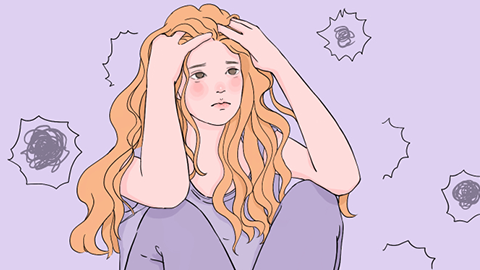
If you suspect yourself or a family member is experiencing depression, please seek help promptly from qualified professionals or specialized institutions. Psychotherapy—conducted by licensed mental health professionals—is an effective treatment approach. A common therapeutic strategy involves finding a quiet environment to calm the mind and confront the life changes triggering depression. Writing down recent personal experiences and events helps foster awareness of reality and emotional pain, enabling identification of the most distressing issues.

Patients should also actively communicate with others and participate in social activities, which can enhance mood and instill hope. We hope this response proves helpful to you.


