


Somatic Symptoms of Depression
Aug 24, 2022
Source: Cainiu Health

Dr. Zhang Xiaoming
Introduction
Somatic symptoms of depression primarily include sleep disturbances, autonomic nervous system dysfunction, eating disorders, decreased energy levels, and sexual dysfunction. The most common symptom is early-morning awakening—patients may wake up 2–3 hours earlier than their usual time and find it difficult to fall back asleep. Other sleep-related issues may include insomnia, vivid or frequent dreaming, poor sleep quality, and difficulty initiating sleep. Additionally, some patients may experience dizziness during depressive episodes.
Many patients develop depression due to various factors, posing a significant threat to both physical and mental health and substantially diminishing quality of life. So, what are the somatic symptoms of depression?
Somatic Symptoms of Depression
The somatic symptoms of depression primarily include sleep disturbances, autonomic nervous system dysfunction, eating disorders, reduced energy levels, and sexual dysfunction. The most common symptom is early morning awakening—patients may wake up 2–3 hours earlier than their usual time and find it difficult to fall back asleep. Other sleep-related issues may include insomnia, frequent dreaming, poor sleep quality, and difficulty initiating sleep. During depressive episodes, some patients may experience dizziness, headache, palpitations, or shortness of breath; others may report abnormal skin sensations such as numbness. Additionally, certain patients may suffer from visceral system dysfunctions—for example, gastrointestinal disturbances (e.g., bloating, constipation), urinary system abnormalities (e.g., urinary frequency or urgency).
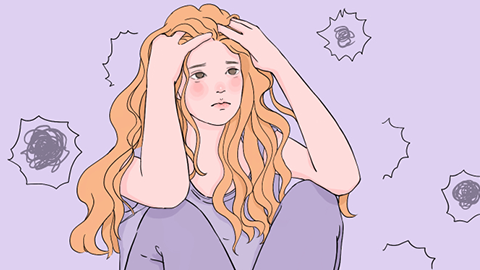
Patients can receive psychotherapy through professional psychological counseling. A common therapeutic approach involves sitting quietly in a calm environment, calming the mind, and confronting the life changes that triggered the depression. By writing down recent personal circumstances and experiences, individuals can face reality and acknowledge their pain—thereby identifying the most distressing issues.
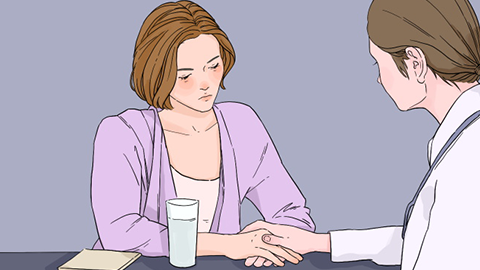
Patients should also communicate more frequently with others and actively participate in social activities, which can foster feelings of joy and hope. We hope this response proves helpful to you.


