


Nausea immediately upon brushing teeth
Aug 24, 2022
Source: Cainiu Health

Dr. Zhao Haiming
Introduction
Nausea after brushing teeth may be caused by chronic pharyngitis, as one of its hallmark symptoms is morning nausea and dry retching during toothbrushing. It is advisable to visit a specialized hospital for appropriate examinations. Only after a definitive diagnosis can we determine the most effective treatment approach. Patients should ensure adequate rest and avoid catching colds. Active anti-inflammatory treatment should be administered based on the pathological type of chronic pharyngitis.
Many people experience nausea and vomiting when brushing their teeth in the morning. If mild, these symptoms often go unnoticed. However, this condition may progressively worsen, increasingly affecting the patient’s quality of life. Therefore, individuals experiencing such symptoms must seek careful and appropriate treatment. So why does dry heaving occur immediately upon toothbrushing?
Why Dry Heaving Occurs Immediately Upon Toothbrushing
Nausea after brushing teeth may be caused by chronic pharyngitis. A hallmark symptom of chronic pharyngitis is morning nausea and dry heaving triggered specifically during toothbrushing. It is advisable to visit a specialized hospital for relevant examinations. Only after an accurate diagnosis can optimal treatment strategies be determined. Patients should ensure adequate rest and avoid catching colds. Based on the pathological subtype of chronic pharyngitis, active anti-inflammatory therapy—under the guidance of an otolaryngologist—is recommended.
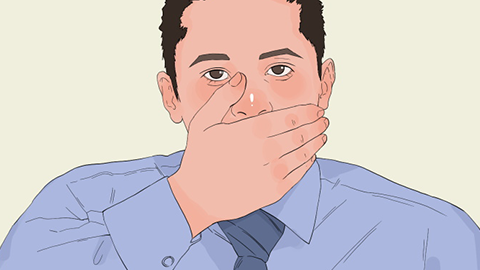
This phenomenon primarily results from mechanical stimulation of the pharynx during toothbrushing. In addition to nausea and vomiting, patients may also experience sore throat, a foreign-body sensation, or mild pain. When these symptoms co-occur, heightened clinical suspicion for chronic pharyngitis is warranted. Patients should promptly consult a specialized hospital for evaluation. Once diagnosed, timely initiation of appropriate treatment is essential. Drug therapy—such as Pharyngitis Tablets or Manyan Shuning—is generally most suitable and yields favorable therapeutic outcomes.

Patients are advised against pursuing blind or unguided treatments for this condition. Instead, cultivating the habit of regular mouth rinsing is beneficial. We hope this information proves helpful to you.








