


Dizziness, nausea, and excessive sleepiness are signs of pregnancy.
Aug 24, 2022
Source: Cainiu Health

Dr. Zhao Haiming
Introduction
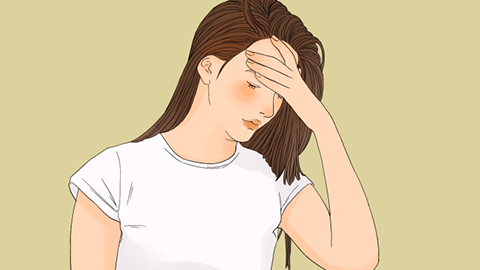
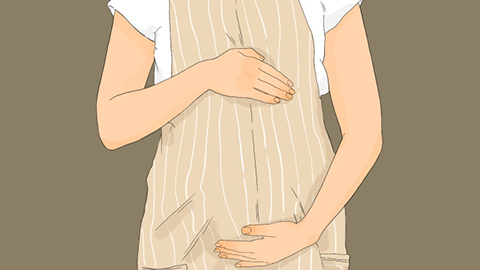
Dizziness, nausea, and excessive sleepiness may be caused by pregnancy. During pregnancy, estrogen levels in the body increase thousands of times, leading to edema of the gastrointestinal mucosa, nausea, vomiting, dizziness, and— in some individuals—drowsiness and fatigue. Abdominal pain is primarily due to uterine enlargement after conception, which stretches the uterine ligaments and causes discomfort. This pain is typically a dull, mild ache and generally does not interfere with daily activities or work.
After becoming pregnant, women may experience certain physical changes and discomforts. For first-time pregnancies, women often feel overwhelmed when these changes or symptoms arise. Most women become more anxious during pregnancy and worry about the health of their developing baby. So, are dizziness, nausea, and excessive sleepiness signs of pregnancy?
Are dizziness, nausea, and excessive sleepiness signs of pregnancy?
Dizziness, nausea, and excessive sleepiness can indeed be early signs of pregnancy. During pregnancy, estrogen levels in the body increase dramatically—often by several thousandfold—leading to gastrointestinal mucosal edema, nausea, vomiting, dizziness, fatigue, and increased drowsiness. Abdominal discomfort is primarily caused by uterine enlargement after conception, which stretches the uterine ligaments and results in mild, dull pain. This type of pain typically does not interfere with daily activities or work. Therefore, patients are advised to rest appropriately to alleviate discomfort. If any of the above symptoms appear clinically, a woman may take a home pregnancy test to confirm whether she is pregnant.
In early pregnancy, women commonly experience adverse reactions—a normal physiological phenomenon that may affect appetite. Thus, pregnant women should pay special attention to their diet: avoid overly rich or tonic foods, and instead choose meals based on personal preference and tolerance. In cases of severe nausea or vomiting, it is advisable to consume light, easily digestible foods. During the second trimester, nutritional intake should be increased, but spicy foods should still be avoided.
Pregnant women are also advised to maintain a reasonable viewing distance when watching television—and especially avoid prolonged use of computers or smartphones. We hope this information has been helpful to you.






