


Somatic Symptoms of Obsessive-Compulsive Disorder
Aug 24, 2022
Source: Cainiu Health

Dr. Shang Luning
Introduction
Obsessive-compulsive disorder (OCD) can cause a variety of physical symptoms, including palpitations, chest tightness, chest pain, headache, dizziness, nausea, hand tremors, and gastrointestinal symptoms such as acid reflux, diarrhea, muscle tension, trembling, and even fear of catching a cold. The somatic symptoms induced by OCD primarily reflect autonomic nervous system hyperactivity and dysregulation. These symptoms may become more pronounced when obsessive-compulsive symptoms are prominent.
After falling ill, patients may develop compulsive behaviors and thoughts that significantly impact their daily lives—and may even trigger other psychological disorders. For individuals with obsessive-compulsive disorder (OCD), selecting appropriate treatment methods is essential. But what physical (somatic) symptoms are associated with OCD?
Somatic Symptoms of Obsessive-Compulsive Disorder
OCD can produce a variety of physical symptoms, including palpitations, chest tightness, chest pain, headache, dizziness, nausea, hand tremors, and gastrointestinal symptoms such as acid reflux, diarrhea, muscle tension, trembling—even fear of catching a cold. These somatic manifestations primarily reflect autonomic nervous system hyperactivity and dysregulation. When obsessive-compulsive symptoms are prominent, these physical symptoms often become more pronounced; conversely, they tend to subside as the OCD symptoms improve. Importantly, somatic symptoms linked to OCD fluctuate alongside the course of the disorder and vary considerably from person to person.
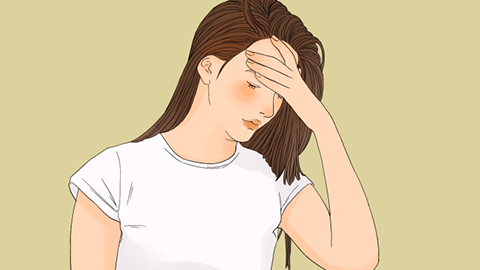
OCD is a common mental health disorder characterized primarily by recurrent, persistent obsessions and compulsions. Patients recognize that these thoughts or behaviors are irrational and excessive, yet feel unable to resist or control them. Etiological factors may include genetic predisposition, psychosocial environmental influences, and certain personality traits. Individuals with OCD can engage in self-regulation strategies targeting cognition, emotion, and behavior.
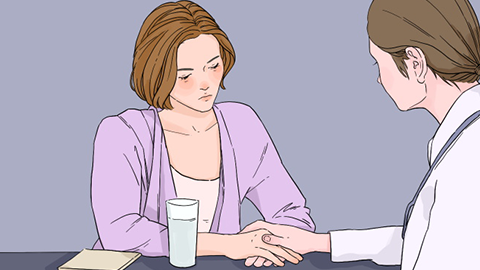
Patients should also avoid negative psychological states—particularly depression—as it may exacerbate OCD and lead to more severe consequences. Therefore, maintaining a positive, proactive attitude toward the illness is crucial. We hope this response has been helpful to you.





