


Is pulpitis caused by “internal heat”?
Aug 24, 2022
Source: Cainiu Health

Dr. Zhang Liwen
Introduction
Pulpitis is primarily caused by dental caries; “internal heat” (a traditional Chinese medicine concept) does not directly cause pulpitis. However, if pulpitis is already present, “internal heat” may trigger an acute exacerbation of the condition. Pulpitis is a common dental disease; patients with pulpitis should avoid foods considered “heat-inducing” in traditional Chinese medicine, as such foods may aggravate symptoms. Affected individuals should promptly undergo root canal treatment to achieve optimal therapeutic outcomes.
Many people have experienced toothache, which can stem from various causes—one of which is pulpitis. Understanding the common symptoms of pulpitis helps facilitate early detection and prompt treatment, thereby achieving optimal therapeutic outcomes and preventing complications. So, is pulpitis caused by “internal heat” (a traditional Chinese medicine concept referring to excessive body heat or inflammation)?
Is Pulpitis Caused by “Internal Heat”?
Pulpitis is primarily caused by dental caries (tooth decay), not by “internal heat.” However, if pulpitis is already present, “internal heat” may trigger or exacerbate its acute symptoms. Pulpitis is a common dental condition; patients with pulpitis should avoid foods that are considered “heat-inducing” in traditional Chinese medicine, as such foods may aggravate the condition. Affected individuals should actively undergo root canal treatment to achieve favorable clinical results. In daily life, patients should also strive to avoid “internal heat,” as its occurrence often precipitates tooth pain. Drinking ample water and maintaining a light, non-irritating diet is advisable.

Pulpitis is not caused by “internal heat.” Rather, it is predominantly triggered by bacterial infection. When teeth become decayed or damaged, bacteria infiltrate the dental pulp through these compromised areas, leading to inflammation of the pulp tissue. Because the pulp chamber is an enclosed, rigid space, inflammatory mediators generated during pulp inflammation cannot be effectively drained outward. Consequently, intrapulpal pressure rises progressively, resulting in severe toothache. Without timely intervention, the inflammatory process may extend via the root canal into the periapical tissues, potentially causing periapical periodontitis or periapical abscess—and, in severe cases, even tooth loss. Therefore, prompt treatment is essential upon diagnosis of pulpitis.
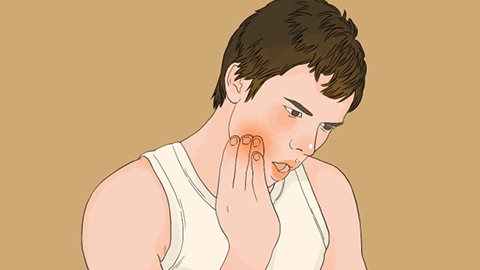
Patients are advised to maintain healthy lifestyle habits—especially good oral hygiene—and follow a balanced diet while avoiding spicy, stimulating foods. We hope this information proves helpful to you.



