


Is bad breath a gastrointestinal issue?
Aug 24, 2022
Source: Cainiu Health

Dr. Zhang Liwen
Introduction
Bad breath stems from gastrointestinal issues. Poor gastrointestinal health can cause bad breath, and patients with such conditions often experience symptoms of indigestion, such as slowed gastrointestinal motility, abdominal distension, and postprandial discomfort. If food remains in the gastrointestinal tract for an extended period, abnormal fermentation may occur, leading to heavy breathing and halitosis. However, poor oral hygiene is the most common cause of bad breath.
Halitosis refers to an unpleasant odor emanating from the mouth—particularly offensive to others and embarrassing to the individual. Do not underestimate halitosis; it is far from trivial. It can cause individuals—especially young people—to avoid close interpersonal communication, leading to feelings of inferiority and impairing normal social interaction and emotional exchange—a truly distressing consequence. So, is halitosis caused by gastrointestinal issues?
Is halitosis related to gastrointestinal problems?
Yes, halitosis can indeed stem from gastrointestinal disorders. Poor gastrointestinal function may trigger halitosis. Patients with gastrointestinal dysfunction often experience symptoms of indigestion, such as slowed gastrointestinal motility, abdominal distension, and postprandial discomfort. When food remains in the gastrointestinal tract for prolonged periods, abnormal fermentation may occur, resulting in heavy breathing and oral malodor. However, the most common cause of halitosis is poor oral hygiene—for instance, chronic gingivitis or dental caries, both of which readily contribute to halitosis.
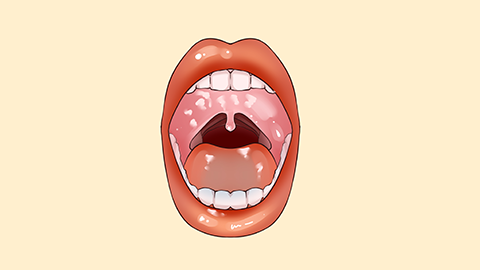
Maintain good oral hygiene daily: rinse your mouth after meals and brush your teeth thoroughly both morning and night—ensuring adequate brushing time. Additionally, promptly treat dental caries, either through removal or comprehensive dental care. Halitosis may also occur in patients infected with *Helicobacter pylori*, necessitating targeted eradication therapy. All fresh leafy green vegetables help alleviate constipation due to their high dietary fiber content. Most leafy greens are alkaline and can neutralize excess acidic substances generated from dietary sugars, meats, eggs, and metabolic processes—thereby promoting a mildly alkaline internal environment and facilitating the elimination of toxic substances from the bloodstream.

Common examples include radish leaves, Chinese cabbage, and rape greens. We hope this information proves helpful to you.





