


What Causes Bitter Taste and Bad Breath in the Mouth?
Aug 24, 2022
Source: Cainiu Health

Dr. Zhang Liwen
Introduction
Bitter taste and bad breath in the mouth are commonly caused by excessive liver fire, poor oral hygiene, or indigestion. When indigestion occurs, undigested food residues accumulate in the body, leading to a buildup of toxins—resulting in oral malodor. To address bad breath, individuals should regularly consume foods that aid digestion and avoid consuming greasy foods frequently.
It is said that humans are social animals who frequently need to interact with others; thus, one’s personal appearance and self-discipline become especially important. Some individuals neglect oral hygiene in daily life, making them highly susceptible to halitosis (bad breath). Interacting with such individuals inevitably presents certain challenges, causing significant distress to those affected by halitosis. So, what causes bitter taste and bad breath?
Causes of Bitter Taste and Halitosis
Bitter taste and halitosis are commonly caused by excessive liver fire, poor hygiene practices, or indigestion. When indigestion occurs, residual food particles accumulate within the body, leading to toxin buildup—resulting in unpleasant oral odor. To address halitosis, individuals should incorporate more digestive-friendly foods into their diet and avoid consuming greasy foods regularly. Additionally, engaging in light physical activity after dinner can aid digestion. Many people with excessive liver fire also experience dry mouth and halitosis; intense liver fire can trigger numerous systemic discomforts, among which dry mouth and halitosis are common manifestations. Upon noticing these symptoms, patients may consume heat-clearing and detoxifying vegetables and fruits, or increase their water intake to alleviate the condition. Moreover, halitosis caused by severe liver fire may be treated pharmacologically.
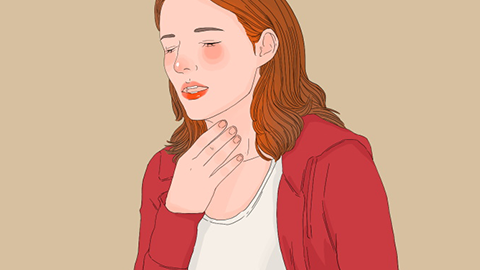
Many individuals suffer from halitosis due to inadequate attention to oral hygiene. Failure to brush teeth regularly or rinse the mouth after meals allows food debris and bacteria to proliferate rapidly in the oral cavity. Bacterial accumulation produces foul-smelling compounds—a primary cause of halitosis. Poor oral hygiene also increases susceptibility to oral diseases, some of which can likewise lead to dry mouth and halitosis.

Patients are advised to cultivate good hygiene habits—including regular toothbrushing, frequent rinsing, and periodic professional dental cleanings. Honey helps moisten the intestines and reduce halitosis; hawthorn, with its sweet-and-sour flavor, also effectively combats bad breath. Dietary interventions thus play a valuable role in managing halitosis. We hope this information proves helpful to you.






