


What Causes Toothache After Staying Up Late?
Aug 24, 2022
Source: Cainiu Health

Dr. Zhang Liwen
Introduction
Staying up late and experiencing toothache may be due to excessive internal heat (“shang huo”) or pulpitis. You should visit the dental department at a hospital for a thorough oral examination under the guidance of a dentist to determine the exact cause of your toothache. If the pain is caused by inflammation, oral antibiotics and anti-inflammatory medications may be prescribed by your doctor. If pulpitis is diagnosed, multiple root canal treatments will likely be required to effectively relieve the symptoms.
Toothache itself is one of the most common conditions encountered in dentistry. It is often accompanied by various symptoms, such as gingival redness and swelling, facial swelling, and others. Toothache may arise from periodontitis or gingivitis due to infection.
What Causes Toothache After Staying Up Late?
Toothache following sleep deprivation may result from “internal heat” (a traditional Chinese medicine concept referring to inflammatory or hyperactive physiological states) or pulpitis. Patients should visit a dental clinic for a professional oral examination to determine the underlying cause of the toothache. If inflammation is confirmed, antibiotics and anti-inflammatory medications may be prescribed under medical supervision. In cases of pulpitis, multiple root canal treatments are typically required to achieve symptom relief.
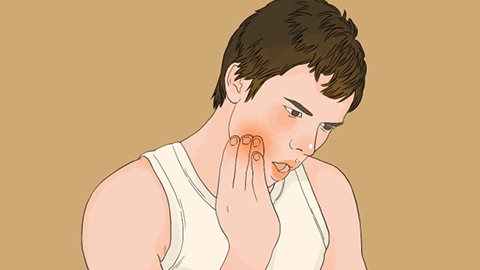
For patients experiencing severe toothache, prompt referral to a dental clinic for pulpotomy (pulp chamber decompression) is strongly recommended. The procedure generally begins with local anesthesia, followed by removal of carious tissue using specialized instruments—such as a dental spoon excavator or dental drill—to allow gradual drainage of inflammatory exudate from the pulp chamber, thereby alleviating pain. If blood or purulent discharge emerges after pulp exposure, it should first be gently absorbed with a dry cotton pellet; subsequently, a camphor-phenol–impregnated cotton pellet may be placed to exert anti-inflammatory and analgesic effects. When necessary, patients should also receive comprehensive pharmacological management—including anti-inflammatory and analgesic agents—under physician guidance. Commonly prescribed oral medications include indomethacin, fenbid tablets (ibuprofen), or sustained-release ibuprofen capsules. In severe cases, adjunctive therapy with epinephrine or procaine may be considered.

Patients experiencing toothache should seek timely medical evaluation and treatment to prevent disease progression. We hope this information proves helpful.





