


How is a cervical TCT test performed?
Aug 24, 2022
Source: Cainiu Health

Dr. Chen Zhe
Introduction
The cervical TCT (ThinPrep Cytologic Test) examination involves specimen collection and laboratory analysis. This test is relatively straightforward and is typically performed in a general gynecology outpatient clinic. The physician will assist the patient in assuming the lithotomy position to fully expose the external genitalia, then use a speculum to open the vaginal canal and visualize the cervix. Next, a specialized cytobrush is inserted into the cervical canal, and the brush is gently rotated to collect cells.
The uterus and cervix are vital organs in women, playing a crucial role in female reproductive health. In daily life, it is essential to protect these organs to maintain overall physical well-being. So, how is a cervical TCT (ThinPrep Cytologic Test) performed?
How Is a Cervical TCT Exam Performed?
A cervical TCT examination involves specimen collection followed by laboratory analysis. This test is relatively straightforward and is typically conducted in a general gynecology outpatient clinic. The physician will assist the patient in assuming the lithotomy position (lying on the back with knees bent and legs supported in stirrups) to fully expose the external genitalia. A speculum is then inserted into the vagina to visualize the cervix. Next, a specialized cytobrush is gently inserted into the cervical canal; the brush is rotated to collect cells from both the surface of the cervix and the endocervical canal. Finally, the brush—now containing the collected cells—is placed into a preservative solution vial and sent to the laboratory for analysis. In the lab, technicians process the sample by dispersing and filtering the cell suspension, after which pathologists examine the cells under a microscope to detect any abnormal cellular changes.
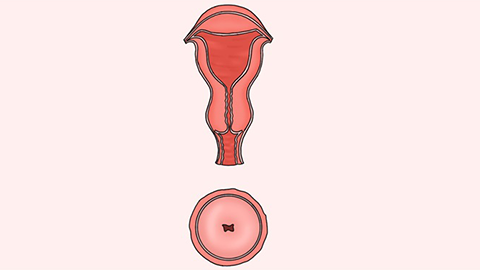
The cervix is highly sensitive to cold exposure—especially during menstruation—so extra attention must be paid to keeping warm. During the menstrual period, avoid spicy, cold, or stimulating foods; dress warmly, particularly covering the abdomen. Additionally, wearing low-waisted or navel-baring clothing in winter is not advisable, as excessive focus on appearance may lead to “cold uterus” (a traditional concept referring to impaired uterine circulation due to cold exposure). Women who sit or stand for prolonged periods face a significantly higher risk of endometriosis compared with those with more active lifestyles. Likewise, chronic physical inactivity and poor blood circulation may contribute to endometrial hyperplasia.

Patients should consistently adhere to the principle of “prevention first, combining prevention and treatment.” Daily cervical protection is essential to prevent adverse effects. We hope this information has been helpful to you.








