


Is liver fibrosis examination done through blood test or B-ultrasound?
Dec 02, 2025
Source: Cainiu Health

Dr. Ren Yi
Introduction
In general, liver fibrosis evaluation includes both blood tests and ultrasound examination. If you experience liver discomfort or have a relevant medical history, it is advisable to seek medical attention promptly and follow your doctor's recommendations for testing. It is important to strictly avoid alcohol, refrain from taking medications that may cause liver damage, maintain a diet rich in high-protein and low-fat foods, adhere to a regular sleep schedule, avoid excessive fatigue, and undergo follow-up examinations regularly as directed by your physician.
In general, liver fibrosis evaluation includes both blood tests and ultrasound examinations. If there are symptoms of liver discomfort or a relevant medical history, it is advisable to seek medical attention promptly and follow the doctor's recommendations for appropriate testing. The specific details are as follows:
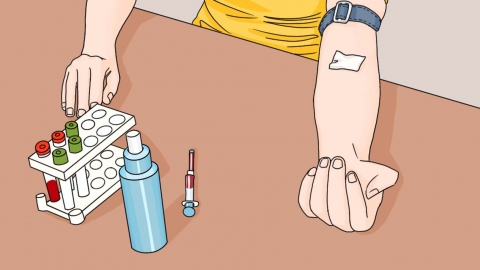
When early liver fibrosis is suspected or assessment of inflammation severity is needed, blood tests serve as a primary method. By measuring indicators such as liver function and the four markers of liver fibrosis, these tests can provide an initial assessment of liver damage and fibrotic tendency. Combined with ultrasound imaging to evaluate changes in liver morphology, this approach is suitable for initial screening and ongoing disease monitoring.
However, when precise staging of fibrosis is required, blood tests and routine ultrasound alone are often insufficient. In such cases, test results may be subject to interference, making it difficult to clearly differentiate between mild and moderate fibrosis. Further diagnostic methods—such as liver elastography or liver biopsy—are typically necessary for a definitive diagnosis.
In daily life, individuals should strictly avoid alcohol, refrain from using medications that may cause liver injury, maintain a diet rich in high-quality protein and low in fat, follow a regular sleep schedule, avoid excessive fatigue, and undergo regular follow-up examinations as directed by their physician.




