


Can cupping be performed during menstruation?
Aug 24, 2022
Source: Cainiu Health

Dr. Lv Aiming
Introduction
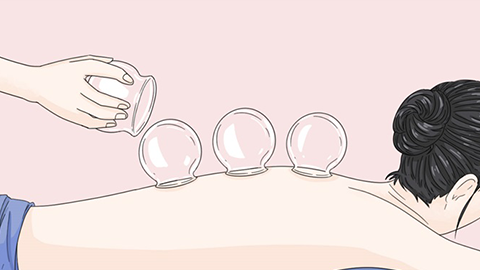
Cupping is not permitted during menstruation. Performing cupping therapy during this period may prolong menstrual bleeding and adversely affect health. Cupping promotes systemic blood circulation and facilitates the unblocking of meridians. During menstruation, cupping can accelerate local blood circulation, potentially leading to increased menstrual bleeding. In severe cases, it may even cause uterine hemorrhage or spotting. Additionally, it may disrupt endocrine function, contribute to uterine disorders, and exacerbate physical discomfort.
Menstruation is closely linked to a girl’s overall health, and the regularity of her menstrual cycle often serves as an indicator of her physical well-being. Consequently, many girls pay close attention to their menstrual patterns—for instance, noting whether their period arrives earlier or later than expected—and may adopt corresponding measures to alleviate any discomfort. So, can cupping therapy be performed during menstruation?
Can cupping be performed during menstruation?
Cupping is not recommended during menstruation. Performing cupping at this time may prolong the menstrual period and adversely affect health. Cupping promotes local blood circulation and has a meridian-regulating effect. During menstruation, however, it may accelerate blood flow in the pelvic region, potentially leading to increased menstrual bleeding. In severe cases, it may even trigger uterine hemorrhage or spotting. Additionally, cupping during this phase may disrupt endocrine balance, contribute to gynecological disorders, and exacerbate physical discomfort. If you wish to undergo cupping, it is advisable to wait until after your period ends. During menstruation, the body’s resistance and immune function are relatively lower; therefore, cold foods should be avoided. Excessive physical exertion should also be minimized. Instead, consume nutrient-rich, warming foods and keep the abdominal area warm—try to avoid staying up late.
During menstruation, prioritize nutritionally balanced foods rich in protein, iron, and vitamins. Opt for easily digestible, warming, and nourishing meals. Suitable options include fish, shrimp, chicken, red dates (jujubes), tofu, milk, longan fruit, and brown sugar water. For those experiencing reduced appetite, foods that support spleen health and provide nourishment—such as noodles or coix seed porridge—are good choices. Vegetables and fruits like cauliflower, bottle gourd, carrots, celery, spinach, Chinese yam, grapes, and black fungus are also beneficial: they contain abundant vitamins and help promote blood circulation, resolve blood stasis, and relieve dysmenorrhea. Cauliflower and carrots, in particular, may help ease anxiety associated with menstruation. All foods consumed should be fresh; cold, spicy, or highly stimulating foods must be avoided. Intense physical activity and bathing—especially with cold water—should also be avoided during menstruation to prevent dysmenorrhea and gynecological inflammation.
Women must pay special attention to their health during menstruation to prevent dysmenorrhea. We hope this information proves helpful to you.



