


How to Restore the Uterus to Its Normal Size
Aug 24, 2022
Source: Cainiu Health

Dr. Lv Aiming
Introduction
How to restore an enlarged uterus to its normal size depends on the underlying cause. If the enlargement is physiological—such as postpartum uterine enlargement—uterine involution may be promoted by taking fresh Leonurus japonicus capsules or other medications that enhance uterine contraction. If the enlargement results from inflammatory stimulation or a tumor, the underlying cause must be addressed and resolved before the uterus can return to its normal size.
If a woman experiences an imbalance in estrogen secretion, it can also affect the endometrium, leading to endometrial thickening. Additionally, endocrine-functional tumors may likewise cause endometrial thickening. In fact, most individuals are deeply concerned about whether this condition is serious. So, how can uterine enlargement return to normal?
How to Restore Normal Uterine Size
Restoring normal uterine size depends on identifying and addressing the underlying cause of the enlargement. If the enlargement is physiological—for example, postpartum uterine enlargement—medications such as fresh Leonurus japonicus capsules or other uterotonic agents may be used to promote uterine contraction and facilitate recovery. If the enlargement results from inflammatory stimulation or a tumor, the causative factor must first be eliminated before the uterus can return to its normal size. For instance, in cases of endometritis, anti-inflammatory treatment is required to resolve the inflammation and allow the enlarged uterus to revert to normal.
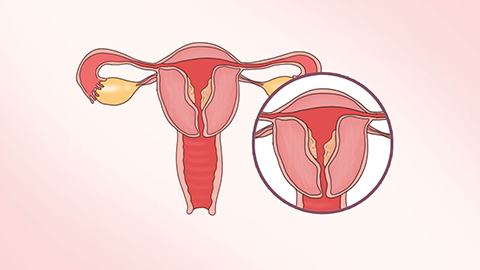
If the enlargement is caused by a tumor—such as uterine fibroids or adenomyosis, two common clinical conditions—the tumor or lesion must be surgically removed for the uterus to return to normal size. For uterine fibroids, myomectomy may be considered; for adenomyosis, resection of the adenomyotic lesion or insertion of an intrauterine device (IUD) may help restore normal uterine size. If malignant tumors—such as endometrial carcinoma or metastatic tumors—are responsible for uterine enlargement, a specific oncologic treatment plan must be formulated.
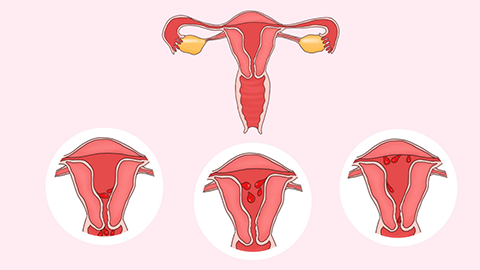
We recommend that patients with uterine enlargement undergo evaluation based on the presence or absence of symptoms, followed by precise diagnosis of the underlying cause, to determine appropriate, individualized treatment. We hope this information is helpful to you.






