


What should be done if acute pulmonary edema recurs after recovery?

Recurrent episodes of acute pulmonary edema after recovery require comprehensive management through identifying underlying causes, strengthening standardized treatment, adjusting lifestyle, enhancing disease monitoring, and optimizing nursing interventions. Immediate medical attention is necessary if symptoms such as difficulty breathing, chest tightness, or coughing up pink frothy sputum occur.
1. Identify Underlying Causes: Focus on evaluating the control status of underlying conditions such as hypertension, heart disease, and heart failure. Be vigilant for triggering factors including infection, fatigue, and excessive fluid volume. Only by determining the root cause of recurrence can targeted interventions be implemented.
2. Strengthen Standardized Treatment: Strictly adhere to prescribed medications with correct dosage and duration; do not reduce or discontinue medication without medical advice. Adjust treatment regimens—including diuretics and vasodilators—according to disease progression to ensure therapies match current clinical needs.
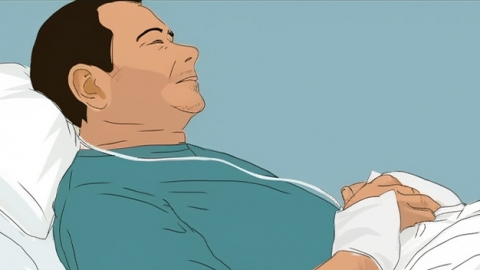
3. Adjust Lifestyle: Strictly limit sodium intake and control fluid consumption. Avoid strenuous exercise, ensure adequate rest, quit smoking and alcohol, and avoid irritating environments to reduce the burden on the lungs and heart.
4. Enhance Disease Monitoring: Regularly monitor vital signs such as blood pressure, heart rate, and oxygen saturation. Track changes in body weight and respiratory status, and promptly intervene upon detecting any abnormalities to prevent disease progression.
5. Optimize Nursing Interventions: Maintain airway patency, perform regular turning and back percussion to facilitate sputum clearance. Pay attention to staying warm, prevent respiratory infections, maintain emotional stability, avoid anxiety and excitement, and minimize potential triggers.
Daily care should emphasize a light, easily digestible diet, balanced nutrition to strengthen physical condition, regular作息 (sleep-wake cycles) avoiding late nights, and moderate gentle activities such as walking. Ensure indoor ventilation and fresh air to scientifically reduce the likelihood of recurrent episodes through proper nursing practices.


