


Why Does Dysmenorrhea Cause Severe Lower Back Pain?
Aug 24, 2022
Source: Cainiu Health

Dr. Lv Aiming
Introduction
Dysmenorrhea-related low back pain is associated with factors such as uterine contractions, prostaglandin release from the endometrium, gynecological inflammation, and organic lesions of the uterus and adnexa. During menstruation, uterine contractions facilitate endometrial shedding. These contractions may cause low back pain, often accompanied by lower abdominal distension and pain. If the symptoms are mild, this is considered a normal physiological phenomenon requiring no specific treatment; symptoms typically subside and resolve completely after menstruation ends.
Menstruation is an important companion for women. During the menstrual period, you may experience various discomforts—some women suffer from abdominal pain, while others experience lower back pain. The underlying causes may differ. So why does lower back pain occur so intensely during dysmenorrhea?
Why Does Lower Back Pain Occur During Dysmenorrhea?
Lower back pain associated with dysmenorrhea is linked to several factors, including uterine contractions, prostaglandin release from the endometrium, gynecological inflammation (e.g., pelvic inflammatory disease), and organic lesions of the uterus or adnexa. During menstruation, uterine contractions facilitate shedding of the endometrium. These contractions can trigger lower back pain, often accompanied by bloating and pain in the lower abdomen. Mild discomfort is considered normal and typically requires no specific treatment; symptoms usually subside spontaneously after menstruation ends. Increased prostaglandin secretion from the endometrium may intensify both lower back and abdominal pain. For individuals unable to tolerate severe pain, nonsteroidal anti-inflammatory drugs (NSAIDs) may be used for symptomatic relief. In cases of gynecological inflammation—particularly pelvic inflammatory disease—with significant pelvic fluid accumulation, pelvic congestion during menstruation can markedly exacerbate lower back pain. After menstruation concludes, a follow-up examination is recommended; if necessary, active anti-inflammatory treatment should be initiated.
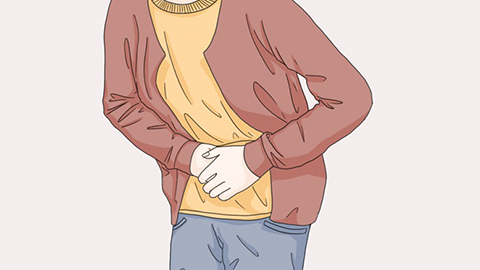
Menstruation commonly induces uterine bleeding and pelvic congestion. If the uterus is positioned posteriorly (retroverted), lower back pain frequently occurs during this time, primarily due to spasmodic uterine contractions. Typically, lower back pain is most pronounced during the first two days of menstruation and gradually subsides by the third or fourth day, without interfering with daily activities and thus requiring no special intervention. If the pain becomes unbearable, local heat application and gentle massage may provide effective relief. Avoid routine use of analgesics whenever possible. Most women experience some degree of discomfort during menstruation, and lower back pain is a common symptom—often accompanied by mild abdominal bloating and cramping. Symptoms generally resolve within one or two days. To minimize discomfort, avoid excessive physical exertion, refrain from consuming cold or raw foods, and ensure adequate warmth for both the lower back and abdomen.

It is advisable to rest adequately and prevent colds, avoid spicy and cold foods, and apply a warm towel to the abdomen or lower back. If pain is severe, certain medications may be taken under appropriate guidance. We hope this information proves helpful to you.




