Can pelvic inflammatory disease (PID) cause dysmenorrhea?
Aug 24, 2022
Source: Cainiu Health

Dr. Lv Aiming
Introduction
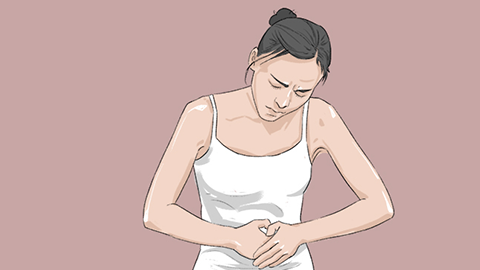
Pelvic inflammatory disease (PID) generally does not cause dysmenorrhea. However, it can lead to pelvic pain, lumbosacral pain, and lower abdominal pain. Dysmenorrhea is one of the most common gynecological symptoms, defined as lower abdominal pain and distension occurring before, during, or after menstruation, often accompanied by low back soreness or other discomforts. Dysmenorrhea is primarily caused by increased prostaglandin levels in the endometrium during the menstrual cycle.
Everyone enjoys fruit—especially women, for whom it is a particular favorite. Many fruits aid in weight loss and promote beauty. Generally, numerous women avoid eating fruit during their menstrual period due to dysmenorrhea (painful menstruation), fearing that fruit consumption may exacerbate the pain. In fact, certain fruits can actually help alleviate dysmenorrhea. So, can pelvic inflammatory disease (PID) cause dysmenorrhea?
Can Pelvic Inflammatory Disease Cause Dysmenorrhea?
Pelvic inflammatory disease (PID) typically does not cause dysmenorrhea. However, it may lead to pelvic pain, lower back and sacral pain, or lower abdominal pain. Dysmenorrhea—one of the most common gynecological symptoms—is defined as pain and distension in the lower abdomen occurring before, during, or after menstruation, often accompanied by low back soreness or other discomforts. Primary dysmenorrhea is mainly caused by elevated prostaglandin levels in the endometrium during the menstrual cycle; secondary dysmenorrhea may result from conditions such as adenomyosis or endometriosis. Inflammation itself generally does not directly cause dysmenorrhea; however, long-standing or recurrent PID may lead to pelvic adhesions, scarring, and venous congestion, resulting in chronic lower abdominal and lumbosacral pain.

Pelvic inflammatory disease refers to an infectious condition affecting the upper female genital tract, primarily involving endometritis, salpingitis, tubo-ovarian abscess/inflammation, and pelvic peritonitis. The inflammation may be localized to a single anatomical site or involve multiple areas simultaneously; among these, PID, salpingitis, and tubo-ovarian inflammation are most frequently observed. Clinical manifestations vary depending on the severity and extent of inflammation. Mild cases may present with no obvious symptoms, with gynecological examination revealing only cervical motion tenderness and uterine tenderness. Chronic PID often causes persistent lower abdominal distension or pain, lumbosacral discomfort, and—occasionally—dysmenorrhea.
Patients are advised to maintain strict menstrual hygiene and abstain from sexual intercourse during menstruation. We hope this information proves helpful.