


Does pelvic inflammatory disease (PID) always cause abdominal pain?
May 31, 2022
Source: Cainiu Health

Dr. Chong Yiwen
Introduction
Whether pelvic inflammatory disease (PID) causes persistent abdominal pain depends on whether it is treated strictly and appropriately. For acute PID, most cases show significant improvement within 2–3 days if broad-spectrum empirical antibiotic therapy is initiated promptly during the acute phase. Therefore, the treatment regimen for acute PID must include adequate antibiotics, sufficient duration of therapy, and relatively broad antimicrobial coverage.
Many women suffer from pelvic inflammatory disease (PID), which can cause significant discomfort in daily life and adversely affect physical health. So, does PID always cause abdominal pain?
Does PID Always Cause Abdominal Pain?
Whether PID causes persistent abdominal pain depends on whether it is treated strictly and appropriately. For acute PID, most cases show marked improvement within 2–3 days if broad-spectrum empirical antibiotic therapy is initiated promptly during the acute phase. Therefore, the treatment regimen for acute PID must include adequate antibiotic selection, sufficient dosage, and sufficiently broad coverage. In such cases, the duration of antibiotic therapy typically lasts for two weeks.
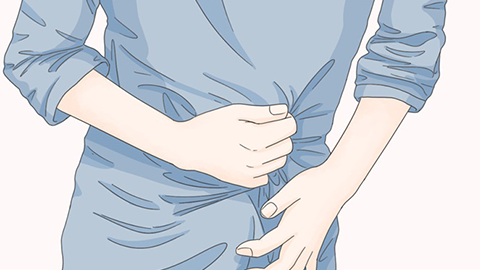
To prevent PID, women should first strengthen their overall physical constitution—namely, enhance resistance to inflammatory agents or underlying causes of inflammation. For example, individuals with robust immune defenses are less susceptible to bacterial infection. Secondly, opportunities for ascending infection should be minimized—for instance, timely treatment of vaginitis or cervicitis. Thirdly, unhealthy sexual practices and poor lifestyle habits—such as repeated vaginal douching—should be avoided. Frequent douching may introduce water or external bacteria through the vagina, cervix, and uterine cavity into the pelvis, thereby triggering PID.
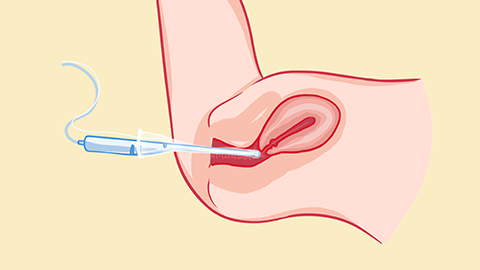
In daily life, maintaining good personal hygiene is essential. Dietarily, one should avoid raw, cold, spicy, or otherwise irritating foods. Should symptoms arise, prompt medical evaluation and treatment at a hospital are strongly advised. We hope this information proves helpful to you.






