


How long after receiving the cervical cancer vaccine can one become pregnant?
Aug 24, 2022
Source: Cainiu Health

Dr. Chen Zhe
Introduction
Pregnancy should be delayed for at least one year after receiving the cervical cancer vaccine. The vaccine typically requires three doses, administered over approximately six months. During this vaccination period, pregnancy is contraindicated. Moreover, immediate conception following completion of the HPV vaccination series is not recommended. It is generally advised to wait and observe for about three to six months after the final dose, as this is the timeframe during which the vaccine’s immune response develops or potential side effects—most commonly occurring—may manifest.
Today, cervical cancer prevention has become a major public health concern. To avoid the risks associated with cervical cancer, individuals can receive the cervical cancer vaccine as a preventive measure. However, certain precautions must be observed both before and after vaccination. Prior to vaccination, individuals should be in good health and not taking any medications. After vaccination, additional considerations also apply. So, how long after receiving the cervical cancer vaccine can one safely become pregnant?
How long after receiving the cervical cancer vaccine can one become pregnant?
It is recommended to wait at least one year after completing the full course of the cervical cancer vaccine before attempting pregnancy. The vaccine typically requires three doses administered over approximately six months. Pregnancy is not advised during this vaccination period, nor immediately following completion of the series. Generally, healthcare providers recommend observing for about three to six months post-vaccination—this allows time for the vaccine to take effect and for any potential side effects to manifest, as most adverse reactions occur within this timeframe. If no discomfort or adverse effects are experienced beyond this period, it is generally considered safe to proceed with pregnancy. Additionally, preconception check-ups and counseling are strongly advised prior to attempting pregnancy to identify and address any factors that may affect pregnancy outcomes.
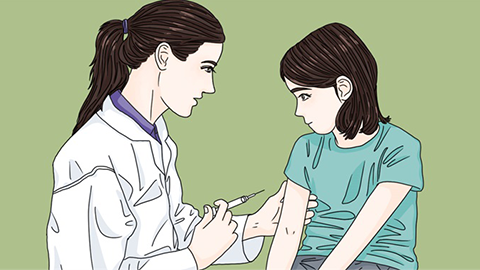
Secondly, the cervical cancer vaccine contains an active ingredient—specifically, an excipient—and individuals with known hypersensitivity to this component must not receive the vaccine. Furthermore, the vaccine is not recommended during pregnancy. Since HPV infection can recur, pre-vaccination testing for HPV infection is not required. However, if a patient is already infected with HPV and concurrently has cervical lesions, vaccination is generally deferred until HPV test results turn negative.

In daily life, maintaining a balanced and regular diet is essential. Avoid spicy, irritating, or overly rich foods; refrain from binge eating or staying up late. We hope this information is helpful to you.








