


Endometriosis Symptoms
Aug 24, 2022
Source: Cainiu Health

Dr. Lv Aiming
Introduction
Normal endometrium grows within the uterine cavity; thus, cyclical shedding of the endometrium results in menstruation in women. When this functional endometrial tissue grows outside the uterine cavity, it is termed endometriosis. Clinical symptoms vary depending on the location of the ectopic tissue and are typically closely associated with the menstrual cycle.
Endometriosis is a serious condition that can significantly impact a patient’s health and therefore requires careful attention. Endometriosis refers to the presence of endometrial-like tissue outside the uterine cavity. Its onset is generally unwelcome news for patients, and because symptoms vary widely, many individuals find it difficult to recognize or diagnose. So, what are the symptoms of endometriosis?
Symptoms of Endometriosis
In healthy individuals, the endometrium—the mucosal lining of the uterus—grows exclusively within the uterine cavity. Its cyclical shedding gives rise to menstruation. When functional endometrial tissue grows outside the uterine cavity, the condition is termed endometriosis. Clinical manifestations vary depending on the location of the ectopic implants and typically correlate closely with the menstrual cycle. The most common site of endometriosis is the pelvis—for example, ovarian endometriosis may lead to the formation of “chocolate cysts” (endometriomas). These cysts often enlarge after menstruation and shrink before the next period, as the ectopic endometrial tissue undergoes cyclical bleeding.
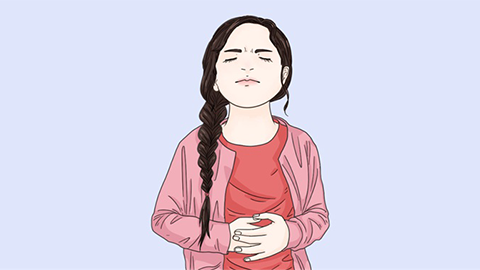
Treatment for endometriosis depends on the affected site. For ovarian endometriosis, management options include surgery or medical therapy, tailored to the individual patient’s circumstances. Commonly prescribed medications include gonadotropin-releasing hormone (GnRH) agonists and high-dose progestins. Surgical approaches are selected based on the patient’s age and reproductive goals. However, recurrence is common if bilateral oophorectomy is not performed. Similarly, when endometriosis involves the uterus (e.g., adenomyosis), treatment may involve either surgical intervention or pharmacotherapy, depending on clinical presentation.
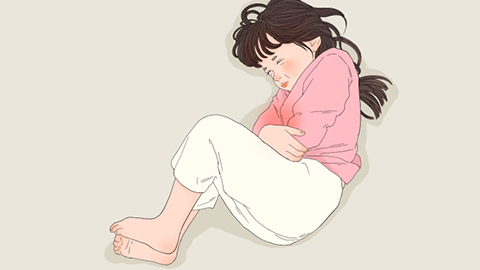
In daily life, patients should avoid certain stimulating foods—including chili peppers, raw garlic, and baijiu (Chinese distilled liquor)—as well as excessively hot foods, coagulant-rich foods, and foods containing exogenous hormones. Cold foods should also be limited. We hope this information proves helpful.





