


What Causes Anal Pain?
Aug 24, 2022
Source: Cainiu Health

Dr. Cheng Yicheng
Introduction
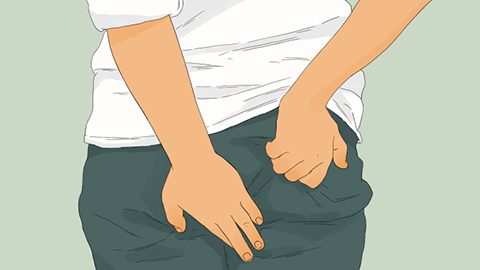
Causes of anal pain include anal fissures, perianal abscesses, and edema of external hemorrhoids. Anal pain may result from a perianal abscess; for instance, a low-lying abscess often presents with numerous symptoms, and the associated pain can be extremely severe. Pain typically intensifies during nighttime sleep, thereby impairing sleep quality. The pain subsides only after the purulent discharge has drained. In contrast, high-lying abscesses may produce less prominent symptoms.
Anal pain has numerous potential causes. Without accurately identifying the underlying cause, blind or inappropriate treatment will fail to control the condition—and may even exacerbate the pain. In severe cases, additional complications may develop. So, what are the common causes of anal pain?
What Causes Anal Pain?
Common causes of anal pain include anal fissures, perianal abscesses, and edema associated with external hemorrhoids. For instance, a perianal abscess—particularly a low-lying one—can produce multiple symptoms, with severe, often debilitating pain. Pain frequently intensifies at night, significantly disrupting sleep quality. Relief typically occurs only after pus drainage. In contrast, high-lying abscesses may present with less obvious pain but cause noticeable swelling around the anus. Anal fissures also commonly cause anal pain; during defecation, patients often experience sharp, knife-like pain or secondary pain that worsens due to pressure on the ulcerated area. Pain usually subsides markedly after bowel movement but recurs with each subsequent defecation. To alleviate discomfort, it is advisable to consume foods rich in dietary fiber and drink plenty of water to soften stools.

Diet should be well-balanced: avoid overeating, and limit intake of spicy, greasy, and irritating foods. Instead, emphasize vegetables and fruits to maintain regular bowel movements and support efficient intestinal digestion. It is recommended to drink a cup of honey water upon waking each morning—ideally on an empty stomach—for optimal effect, as this helps stimulate gastrointestinal motility.
In daily life, cultivating healthy lifestyle and dietary habits is essential. We hope this information proves helpful to you.




