


What Causes Cervical Pain?
Aug 24, 2022
Source: Cainiu Health

Dr. Chen Zhe
Introduction
The cause of cervical pain is endometriotic lesions within the cervix. These endometriotic lesions commonly induce localized bleeding and pain during menstruation, and pain may also occur upon contact with the endometriotic lesions. Palpation of nodules is likewise painful. Severe cervical pain may result from an ectopic pregnancy or from rupture of the corpus luteum.
Generally speaking, abdominal pain may indicate other underlying diseases, and the presence of viral infection should not be overlooked. In severe cases, it can still be life-threatening. Some individuals experience persistent pain so intense that it interferes with sleep. So, what causes cervical pain?
Causes of Cervical Pain
Cervical pain may result from endometriotic lesions located within the cervix. These endometriotic lesions commonly cause localized bleeding and pain during menstruation; contact with such lesions—whether through physical pressure or movement—can also trigger pain. Palpation of nodules in the cervix may elicit tenderness as well. Severe cervical pain may also stem from ectopic pregnancy or corpus luteum rupture. The underlying cause of cervical pain can be determined through serum β-hCG testing, transvaginal ultrasound, and a thorough medical history.
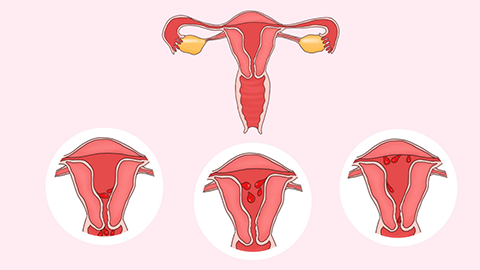
It is normal for women to experience lower abdominal pain and general discomfort during menstruation. However, if the pain is severe, it is classified as dysmenorrhea. In adolescents, uterine pain is typically primary dysmenorrhea, which often resolves spontaneously and usually does not require concern. In contrast, dysmenorrhea occurring after menstruation is generally secondary—caused by an underlying pathological condition—and therefore warrants prompt medical evaluation and treatment rather than relying solely on analgesics.

Maintaining a nutritionally balanced, easily digestible diet supports overall health and aids recovery from various conditions. Be sure to avoid purchasing substandard food products, as harmful contaminants may impede recovery from uterine fibroids—or even exacerbate existing disease. We hope this information proves helpful to you.




