What Are the Symptoms of Vertebral Artery Atherosclerosis?
Aug 24, 2022
Source: Cainiu Health
Dr. Zhang Jianbin
Introduction
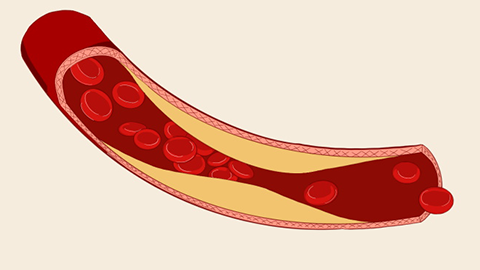
Symptoms of vertebral artery atherosclerosis include headache, visual disturbances, and vertigo. Headache is a common manifestation in vertebral artery–type cervical spondylosis. Many patients experience headaches; in such cases, the underlying cause is often pathology of the greater occipital nerve—intermittent headache results from ischemia of this nerve. Additionally, due to cervical spine abnormalities, nerves within the cervical spine may become compressed, leading some patients to experience visual loss.
Spinal stenosis symptoms typically include spinal cord injury, vascular inflammation, and localized edema. Most patients with congenital spinal stenosis are asymptomatic at onset; symptoms often emerge later in life due to degenerative conditions or spinal trauma occurring after middle age. Acquired spinal stenosis is commonly caused by intervertebral disc herniation and spondylolisthesis. So, what are the symptoms of vertebral artery sclerosis?
What Are the Symptoms of Vertebral Artery Sclerosis?
Symptoms of vertebral artery sclerosis include headache, visual disturbances, and vertigo. Headache is a common manifestation of vertebral artery-type cervical spondylosis. Many patients experience headaches—specifically, intermittent headaches resulting from ischemia of the greater occipital nerve, which itself arises from pathological changes in this nerve. Cervical spine abnormalities can also compress nerves within the cervical canal, leading some patients to develop visual impairment or blurred vision. In severe cases, vertebral artery-type cervical spondylosis may even cause blindness. Dizziness is another hallmark symptom—particularly exacerbated during cervical rotation.

Pain associated with vertebral artery-type cervical spondylosis can be alleviated pharmacologically—for example, with Guci Ning tablets or Jingfukang granules. Guci Ning tablets exert analgesic and meridian-regulating effects, helping reduce the frequency of migraines. Jingfukang granules promote blood circulation and unblock meridians, effectively treating dizziness and headache. Dietary therapy may also help alleviate symptoms—for instance, increasing intake of corn, beef, and other nutrient-rich foods.
In daily life, cultivating healthy lifestyle and dietary habits is essential. We hope this information proves helpful to you.