


Symptoms of Bronchospasm
Aug 24, 2022
Source: Cainiu Health

Dr. Guo Xiheng
Introduction
The primary symptoms of bronchospasm include coughing, sputum production, and wheezing. During acute episodes, patients experience coughing, sputum production, and wheezing, which may suddenly worsen. The main cause of acute exacerbation is respiratory tract infection, with the majority of pathogens being viruses, bacteria, Mycoplasma, and Chlamydia. Sputum production is also common; in most cases, white, viscous sputum or serous, frothy sputum is expectorated.
Generally, chronic bronchitis is a chronic, non-specific inflammatory response that commonly affects the mucosa and surrounding tissues of the trachea and bronchi. This condition develops gradually, has a prolonged course, and tends to recur—often worsening over time. So, what are the symptoms of bronchospasm?
Symptoms of Bronchospasm
The primary symptoms of bronchospasm include coughing, sputum production, and wheezing. During acute episodes, patients experience coughing, sputum production, and wheezing—symptoms that may suddenly intensify. The most common cause of acute exacerbation is respiratory tract infection, with pathogens typically including viruses, bacteria, mycoplasma, and chlamydia. Hemoptysis (blood-tinged sputum) may also occur, often mixed with white, viscous sputum or serous, frothy sputum.
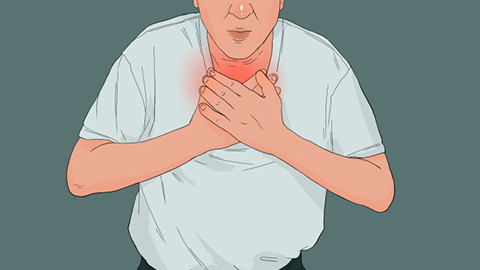
Patients frequently produce large amounts of sputum upon waking in the morning—a phenomenon triggered by postural changes and increased airway secretions after rising. Wheezing and shortness of breath (dyspnea) are also common; wheezing reflects underlying bronchitis, and some patients may concurrently have bronchial asthma. In cases complicated by emphysema, dyspnea may become particularly noticeable during physical exertion or later stages of activity. Tachypnea (rapid breathing) may also occur. Clinically, dyspnea accompanied by wheezing is sometimes termed “wheezing bronchitis.” Some individuals suffer from both bronchial asthma and emphysema, experiencing dyspnea and breathlessness especially after fatigue.
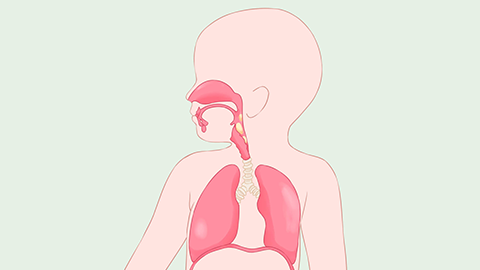
Recurrent respiratory infections—particularly in elderly patients—can significantly worsen disease progression and must therefore be taken seriously. We hope this information proves helpful to you.






