


What Causes Knee Synovitis?
Aug 24, 2022
Source: Cainiu Health

Dr. Lin Yunfei
Introduction
Knee synovitis is primarily an aseptic inflammation caused by repeated irritation of the synovium. For example, after a knee sprain or intra-articular injury, prolonged irritation of the synovium impairs its normal function, thereby exacerbating synovitis and promoting joint effusion, which leads to swelling and pain. In severe cases, it may also cause knee joint mobility impairment; thus, timely treatment is essential to alleviate the synovial inflammation.
Knee synovitis is an aseptic inflammatory condition. Patients commonly report progressive knee weakness and chronic overuse injuries of the knee joint. This condition predominantly affects young to middle-aged adults; if left untreated, it may progress to osteoarthritis, carrying a significant risk of disability. Therefore, timely detection, treatment, and management are essential. So, what causes knee synovitis?
What Causes Knee Synovitis?
Knee synovitis is primarily caused by repeated irritation of the synovial membrane, resulting in aseptic inflammation. For example, following a knee sprain or intra-articular injury, prolonged stimulation of the synovium impairs its normal function. This dysfunction often exacerbates joint effusion, leading to swelling and pain. In severe cases, it may also cause functional impairment of knee movement, necessitating prompt treatment to alleviate synovial inflammation.
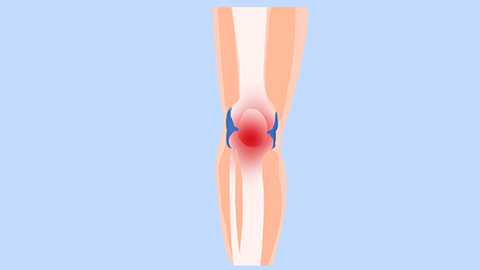
Patients with knee synovitis must ensure adequate rest to avoid excessive joint activity. Movement stimulates both the synovium and the joint cavity, potentially worsening the condition. Sufficient rest helps relieve synovial inflammation and associated pain. Additionally, patients should maintain joint warmth in daily life—avoiding exposure to cold drafts. During summer, air conditioning should not be used excessively, and prolonged stays in cold, damp environments should be avoided.
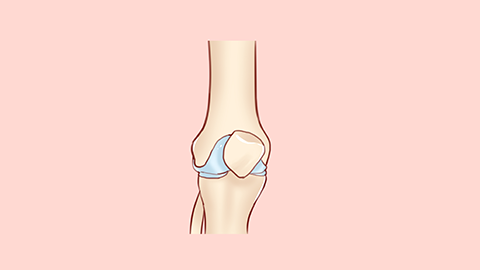
In daily life, patients should maintain a positive attitude, actively cooperate with their physicians’ treatment plans, take prescribed medications on time and in the correct dosage, and prioritize routine care—thereby facilitating faster recovery. We hope this information is helpful to you.




