


Symptoms of Knee Arthritis
Aug 24, 2022
Source: Cainiu Health

Dr. Lin Yunfei
Introduction
Knee arthritis is the most common cause of redness, swelling, heat, and pain in the knee joint. Some individuals experience pain when climbing or descending stairs; others—particularly those who enjoy sports or hiking—feel knee pain during jumping or vigorous physical activity. For instance, some people experience knee pain while mountain climbing. This occurs because the load on the knee joint during stair climbing (up or down), ascending or descending slopes, is several times greater than during normal daily activities.
Osteoarthritis of the knee is a common condition, especially among older adults. Once developed, most patients experience symptoms such as redness, swelling, warmth, pain, and impaired joint mobility in the knee. However, because there are many types of knee arthritis, symptoms may vary depending on the specific type. So, what are the symptoms of knee arthritis?
Symptoms of Knee Arthritis
The most common symptoms of knee arthritis include redness, swelling, warmth, and pain in the knee joint. Some individuals experience pain when climbing or descending stairs; others—particularly those who enjoy sports, hiking, or mountain climbing—may feel knee pain during jumping or other vigorous physical activities. For example, ascending steep slopes or mountains places significantly greater stress on the knee joint—often several times the normal load experienced during level walking.
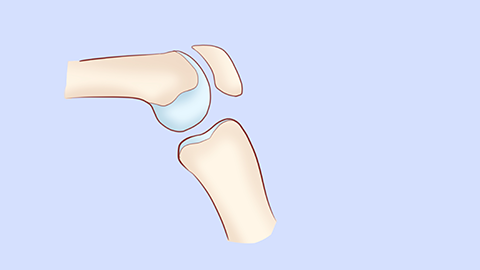
Patients may also find it difficult to rise from a seated position, as the force exerted on the knee during standing up can be several times greater than during normal weight-bearing. This often leads to pain and discomfort, and some patients develop noticeable joint swelling. Inflammatory processes associated with arthritis can trigger the release of inflammatory mediators, resulting in joint swelling and fluid accumulation (effusion). Additionally, some patients report audible “crepitus” (grating or popping sounds) during movement. Without timely treatment, these symptoms may progress to restricted joint motion, severe joint deformity, and ultimately, disability.
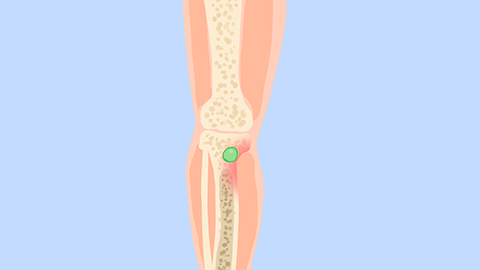
We recommend that patients seek prompt medical evaluation and treatment upon noticing any symptoms. We hope this information has been helpful.






