


Symptoms of Cardiogenic Heart Disease
Aug 24, 2022
Source: Cainiu Health

Dr. Li Man
Introduction
Symptoms of cardiac-origin heart disease include palpitations, chest tightness, chest pain, dyspnea, fatigue, diaphoresis, dizziness, and even sudden loss of consciousness and sudden cardiac death. These symptoms typically occur after morning awakening, exposure to cold, physical fatigue, sleep deprivation, intense physical exertion, or emotional excitement. Symptoms may gradually subside with rest or medication, or may persist unrelieved.
Hardly anyone is unfamiliar with heart disease, a relatively common yet serious cardiac condition. Moreover, heart disease encompasses various types, each presenting with distinct clinical manifestations. When diagnosing heart disease, the first step is to accurately identify the specific underlying condition. So, what are the symptoms of cardiogenic heart disease?
Symptoms of Cardiogenic Heart Disease
Symptoms of cardiogenic heart disease include palpitations, chest tightness, chest pain, dyspnea (shortness of breath), fatigue, diaphoresis (excessive sweating), dizziness, and even sudden loss of consciousness or sudden cardiac death. These symptoms often occur following morning awakening, exposure to cold, physical exhaustion, sleep deprivation, intense physical exertion, or emotional stress. They may gradually subside with rest or medication, or persist unrelieved; such presentations are commonly seen in coronary artery disease, myocarditis, various forms of cardiomyopathy, and congenital heart disease.

Cardiogenic heart disease refers to heart disease whose etiology originates directly from intrinsic cardiac pathology—distinct from pulmonary heart disease (cor pulmonale) or rheumatic heart disease, which arise secondary to pulmonary tissue disorders or rheumatic activity, respectively. Common examples of cardiogenic heart disease include coronary atherosclerotic heart disease, dilated cardiomyopathy, and hypertrophic cardiomyopathy.
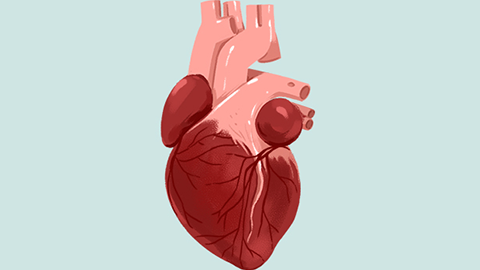
Patients should follow their physician’s recommendations, take prescribed medications regularly, and maintain a healthy lifestyle and positive mental outlook. If any of the aforementioned symptoms appear suddenly or if pre-existing symptoms worsen, prompt medical evaluation is essential. We hope this information proves helpful to you.







