


Signs of Coronary Heart Disease
Aug 24, 2022
Source: Cainiu Health

Dr. Li Man
Introduction
Symptoms of coronary heart disease are related to the patient’s physical activity. In the past, the patient could walk two laps around the park, but now cannot even complete half a lap. When physical activity increases significantly—such as climbing three or four flights of stairs—the patient experiences discomfort in the precordial region or shortness of breath; by contrast, climbing one or two flights causes no symptoms. In such cases, coronary heart disease should be considered.
Many medical tests require fasting beforehand to ensure accurate results. Similarly, before initiating treatment for coronary heart disease (CHD), comprehensive evaluations must be conducted to confirm the diagnosis. So, what are the warning signs of coronary heart disease?
Warning Signs of Coronary Heart Disease
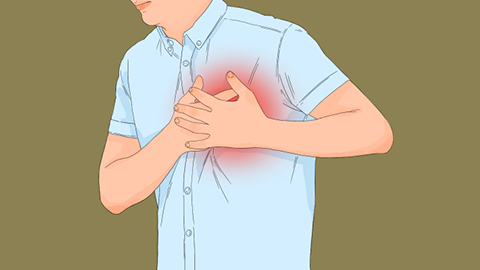
The warning signs of CHD are often related to physical activity. For instance, a patient who previously could comfortably walk two laps around a park may now struggle to complete even half a lap. When exertion increases—such as climbing stairs—discomfort or pressure in the chest (precordial region) or shortness of breath may occur. If climbing one or two flights of stairs causes no symptoms, but climbing three or four flights triggers such symptoms, CHD should be strongly suspected. This reflects an inability of the coronary arteries to adequately supply oxygenated blood to the heart muscle—especially if these changes develop rapidly—and warrants prompt evaluation for CHD.
Another key indicator is referred pain—specifically, whether chest discomfort (angina) radiates to the shoulders, back, or jaw, or is accompanied by jaw tightness. Some patients mistakenly attribute jaw pain to dental problems and undergo tooth extraction, only to experience persistent pain during exertion afterward—potentially indicating CHD. Others misinterpret the discomfort as gastrointestinal symptoms, reporting pain during meals; in such cases, inferior wall myocardial ischemia should be considered. Similarly, shoulder or back pain that worsens with activity and improves with rest—but fails to resolve with massage—may also signal CHD rather than musculoskeletal issues.
We recommend that patients proactively manage modifiable risk factors to help prevent CHD. We hope this information proves helpful.





