


Symptoms of Gingivitis
Aug 24, 2022
Source: Cainiu Health

Dr. Zhang Liwen
Introduction
The primary symptom of gingivitis is bleeding during toothbrushing or while biting into hard foods. This occurs because gingival inflammation triggers marked vascular proliferation and congestion, leading to localized swelling of the gingival tissue. Once stimulated—such as during brushing—bleeding ensues. Some patients may also experience local pruritus (itching) and gingival swelling, and others may have halitosis (bad breath).
Most people are familiar with gingivitis—it is, in fact, a common condition that many of us encounter. Some patients have experienced firsthand the discomfort and harm caused by this disease. Once gingivitis develops, it manifests through various symptoms, which serve as our first clues to recognizing the condition; therefore, everyone should take these signs seriously. So, what are the symptoms of inflamed gums?
Symptoms of Gingival Inflammation
The primary symptom of gingivitis is bleeding during toothbrushing or while chewing hard foods. This occurs because gingival inflammation triggers noticeable vascular proliferation and congestion, leading to localized swelling of the gingival tissue. Even minor stimulation—such as brushing—can then cause bleeding. Some patients also report local itching and gum swelling, while others experience halitosis (bad breath). Bleeding during brushing and persistent bad breath are among the most common reasons patients seek medical care for gingivitis. Once diagnosed, prompt treatment at a healthcare facility is essential, as many cases of gingivitis involve local irritants.
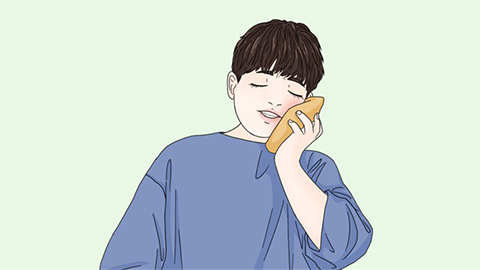
These irritants—including dental calculus (tartar) and dental plaque—should be removed as soon as possible to prevent further progression of gingival inflammation, which may otherwise advance to periodontitis. Due to inflammatory infiltration within the connective tissue and loss of collagen fibers, the normally dense gingiva becomes soft, fragile, and less elastic. In chronic cases, the surface epithelium of the gingiva may undergo hyperplasia and thickening, accompanied by increased collagen fiber deposition—giving the gingiva a firm, thickened appearance. However, the inner wall of the periodontal pocket remains inflamed and often exhibits bleeding upon probing.
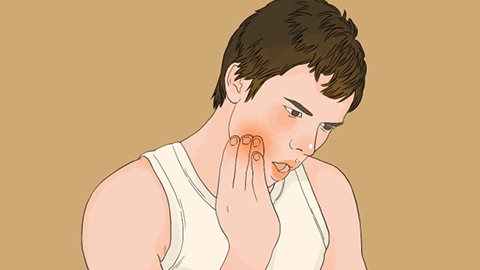
If you notice any of these symptoms in daily life, seek timely diagnosis and treatment, and actively cooperate with your healthcare provider. We hope this information proves helpful to you.







