


How is arrhythmia associated with anterior mitral valve leaflet prolapse treated?
Aug 24, 2022
Source: Cainiu Health

Dr. Li Man
Introduction
Mitral valve anterior leaflet prolapse with arrhythmia is managed through valve replacement surgery and pharmacotherapy. Once mitral valve anterior leaflet prolapse is diagnosed, active prevention of infective endocarditis is essential, as this condition carries a high risk of developing endocarditis. Valve replacement surgery is generally indicated for malignant arrhythmias or severe chest pain that are refractory to medical therapy.
Arrhythmia is a common cardiovascular and cerebrovascular disease among middle-aged and elderly individuals, posing a significant threat to their health; therefore, preventive measures must be incorporated into daily life. To avoid developing this condition, it is essential to understand several common types of arrhythmias. So, how is arrhythmia associated with anterior mitral valve leaflet prolapse treated?
How is arrhythmia associated with anterior mitral valve leaflet prolapse treated?
Arrhythmia related to anterior mitral valve leaflet prolapse is managed through valve replacement surgery and pharmacological therapy. Once anterior mitral valve leaflet prolapse is diagnosed, active prevention of infective endocarditis is crucial, as this condition carries a high risk of concurrent endocarditis. Valve replacement surgery is indicated for malignant arrhythmias uncontrolled by medication or for severe chest pain. Generally, mitral valve prolapse is treated via valve replacement, most commonly performed using open-heart (direct-vision) surgical techniques.

Patients should maintain healthy lifestyle habits. Sleeping approximately seven to eight hours per day can improve overall physical condition. Only when the heart and other organs receive adequate rest can they fully recover and obtain sufficient energy—thereby promoting healthier organ and tissue function. To prevent arrhythmia, dietary intake should be light and easily digestible; excessively sticky, overly sweet, or overly salty foods should be consumed sparingly.
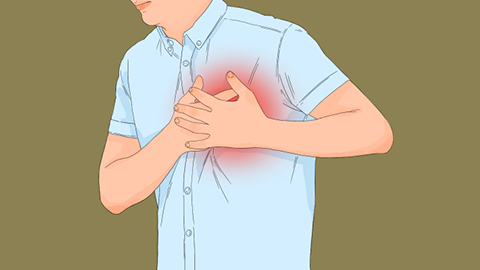
In daily life, patients should adhere to regular, balanced eating patterns—avoiding spicy, irritating, or overly stimulating foods, refraining from binge eating or overeating, and ensuring adequate sleep without staying up late. We hope this information proves helpful.







