What happens if air enters the bloodstream during intravenous infusion?
Nov 25, 2025
Source: Cainiu Health

Dr. Wang Lei
Introduction
Infusion of air may generally lead to complications such as air embolism, dyspnea, arrhythmia, and circulatory failure. When a large amount of air enters the bloodstream, it can travel to the right atrium, then pass through the right ventricle into the pulmonary artery, where it may block branches of the pulmonary artery and cause impairment of pulmonary circulation. Air embolism obstructs blood flow in the lungs, reducing gas exchange function, which may result in symptoms such as rapid breathing and shortness of breath in patients.
Air entering the bloodstream during intravenous infusion may generally cause air embolism, difficulty breathing, chest pain, arrhythmia, circulatory failure, etc. The specific analysis is as follows:
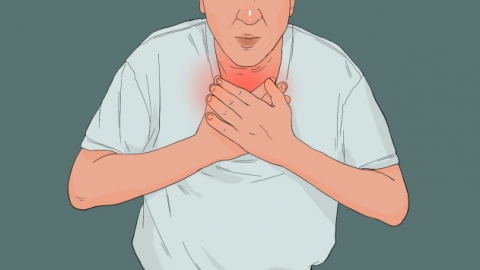
1. Air embolism: When a large amount of air enters the blood vessels, it may flow into the right atrium and then into the pulmonary artery via the right ventricle, blocking branches of the pulmonary artery and causing impaired pulmonary circulation, which can be life-threatening in severe cases.
2. Difficulty breathing: Air embolism obstructs blood flow in the lungs and reduces gas exchange function, leading to symptoms such as rapid breathing and shortness of breath, especially worsened by physical activity or changes in body position.
3. Chest pain: Air embolism may irritate the heart or lung tissues, causing pleural tension or myocardial ischemia, resulting in sharp chest pain, commonly located behind the sternum or in the precordial area.
4. Arrhythmia: Air entering the heart may interfere with normal cardiac electrical activity, causing abnormal heart rhythms, manifesting as palpitations, tachycardia, or bradycardia.
5. Circulatory failure: Severe air embolism can lead to systemic circulatory disturbances, causing hypotension, cold extremities, confusion, and other signs of shock, requiring immediate emergency treatment.
During intravenous infusion, close attention should be paid to the presence of air in the infusion tubing, and any air in the line should be promptly removed. If the patient develops abnormal symptoms, infusion should be stopped immediately and medical personnel notified for prompt emergency management.