


Symptoms of Neurogenic Heart Disease
Aug 24, 2022
Source: Cainiu Health

Dr. Zhang Jianbin
Introduction
The primary symptoms of neurogenic heart disease are panic attacks and chest pain. However, cardiac examinations reveal no organic pathology; the condition is mainly caused by dysfunction of neural regulation. Typically, episodes occur suddenly in response to emotional fluctuations in daily life and do not last long. Nevertheless, they tend to recur frequently and require treatment with neurotrophic medications.
Heart disease is a common condition in modern society. With societal development and increasing psychosocial stress, an ever-growing number of people are developing heart disease. As the heart serves as the central organ of the human body, cardiac disorders can have serious consequences. Thus, early detection and timely treatment of heart disease have become urgent priorities. So, what are the symptoms of neurogenic heart disease?
Symptoms of Neurogenic Heart Disease
The primary symptoms of neurogenic heart disease include panic attacks and chest pain. However, upon clinical examination, no organic cardiac pathology is found; rather, the condition stems mainly from dysfunction of neural regulation. Typically, episodes occur suddenly in response to emotional fluctuations in daily life and do not last long. Nevertheless, they tend to recur frequently and require treatment with nerve-nourishing medications. Psychotherapeutic approaches—such as relaxation therapy—can be used in conjunction with pharmacotherapy. Crucially, patients should maintain a positive mental attitude and adhere to regular, healthy lifestyle habits to prevent symptom exacerbation. Neurogenic heart disease, also known as cardiac neurosis, is classified as a type of neurosis.
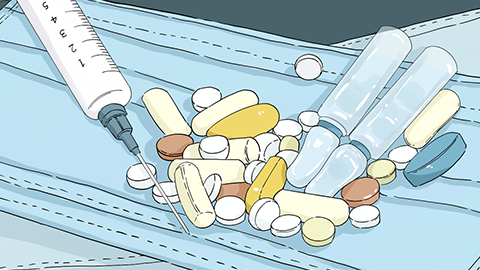
Depending on specific symptoms, the following medications are commonly prescribed: - For autonomic nervous system dysfunction: If sympathetic nervous system hyperactivity is present—manifesting as tachycardia—beta-blockers such as atenolol may be used. Once heart rate normalizes, palpitations typically improve. - For microcirculatory disturbances—characterized by chest tightness and chest pain—coronary angiography often reveals no abnormalities. In such cases, blood-activating and stasis-resolving herbal medicines may be beneficial. - For pronounced anxiety or depression: Both conditions can be assessed using standardized rating scales. If diagnostic criteria are met, pharmacological treatment is warranted.
A low-fat diet is recommended. Patients should avoid greasy foods—including fatty meats, pork ribs, fish roe, barbecued items, bacon, and processed sausages such as ham sausage. We hope this information proves helpful to you.







