Can an electrocardiogram (ECG) detect heart disease?
Aug 24, 2022
Source: Cainiu Health

Dr. Li Man
Introduction
An electrocardiogram (ECG) can detect certain heart conditions, the most common of which is coronary artery disease (CAD). If the ECG shows ST-segment depression or T-wave depression and inversion—combined with clinical symptoms such as chest tightness and chest pain—a diagnosis of CAD can be made. Additionally, an ECG may suggest cardiac enlargement or hypertrophy. However, ECG findings alone cannot definitively distinguish between cardiac enlargement and hypertrophy.
Heart disease is harmful to health. In addition to receiving active treatment, patients must also pay attention to daily self-care—avoiding excessive physical activity to reduce cardiac workload. Dietary habits are equally important: patients should limit salt intake and consume more fresh fruits, which offer excellent protective benefits for the heart. So, can an electrocardiogram (ECG) detect heart disease?
Can an electrocardiogram detect heart disease?
An ECG can identify certain types of heart disease, the most common being coronary artery disease (CAD). If the ECG shows ST-segment depression or T-wave flattening/inversion—and these findings are accompanied by clinical symptoms such as chest tightness or chest pain—a diagnosis of CAD may be made. An ECG can also reveal signs suggestive of cardiac enlargement or hypertrophy. However, an ECG alone cannot definitively confirm whether the heart is enlarged or hypertrophied; a comprehensive evaluation—including patient history, echocardiography (color Doppler ultrasound), and other diagnostic tests—is essential for accurate diagnosis.
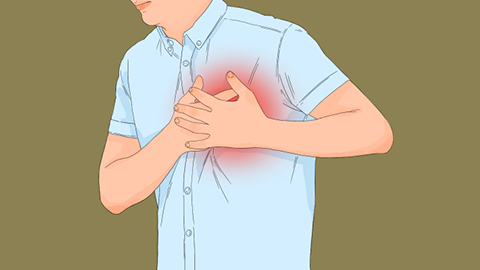
It is not possible to conclusively determine the presence or absence of heart disease based solely on an ECG. For instance, during remission, patients with CAD or angina pectoris may exhibit completely normal ECG results. Similarly, some patients with heart failure may show no significant ECG abnormalities. Conversely, certain individuals may display ECG abnormalities without having clinically significant heart disease—because some ECG changes lack clinical relevance and do not require treatment.
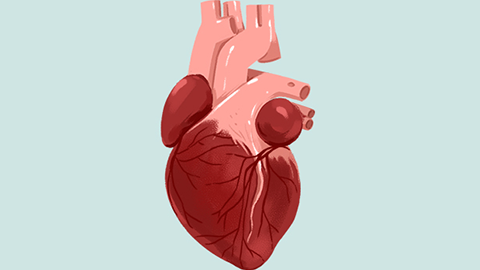
Patients are advised to maintain good personal hygiene, follow a balanced diet, and avoid spicy or irritating foods. Regular outdoor exercise is encouraged to enhance immune function. We hope this information has been helpful to you.