


Differences Between Pulpitis and Periapical Periodontitis
Aug 24, 2022
Source: Cainiu Health

Dr. Zhang Liwen
Introduction
The etiologies and clinical symptoms of pulpitis and apical periodontitis differ; however, their treatment approaches are identical, ultimately requiring root canal therapy. Pulpitis is primarily caused by deep caries, and the tooth surface typically exhibits dental structural defects and caries. Apical periodontitis mainly develops secondarily from various types of pulpitis and pulp necrosis; the tooth surface may also show dental structural defects and caries.
If the dental pulp tissue becomes infected by bacteria, the affected tooth may develop acute inflammation, leading to an episode of acute pulpitis. Acute pulpitis has a rapid onset and is typically poorly responsive to conventional analgesics. Without timely treatment, the condition will progressively worsen and may ultimately progress to pulp necrosis. Therefore, once acute pulpitis is diagnosed, prompt and appropriate diagnostic evaluation and treatment must be initiated. So, what are the differences between pulpitis and apical periodontitis?
Differences Between Pulpitis and Apical Periodontitis
The etiologies and clinical manifestations of pulpitis and apical periodontitis differ, although their treatment approaches are largely identical—both ultimately require root canal therapy. Pulpitis is primarily caused by deep dental caries; the tooth surface usually exhibits structural defects and carious lesions. In contrast, apical periodontitis is most commonly secondary to various forms of pulpitis or pulp necrosis. The tooth surface in apical periodontitis may show structural defects and caries, or it may appear intact without any visible defects or caries.
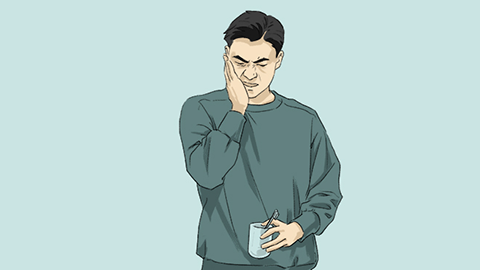
In pulpitis, acute pulpitis presents with sudden onset and spontaneous, paroxysmal pain that may occur even without external stimulation. Pain may subside spontaneously after a period of time and can recur multiple times within a single day. Thermal stimuli (cold or heat) exacerbate the pain, which often intensifies at night. The pain is typically diffuse and difficult to localize, frequently radiating to the ipsilateral cheek; acute pulpitis generally does not cause pain upon biting.
In apical periodontitis, acute apical periodontitis develops rapidly and is characterized by severe, spontaneous pain accompanied by marked tenderness to biting—patients often avoid occlusion. During the suppurative stage, systemic symptoms such as fever and throbbing pain may occur, and the pain is often excruciating.

If you notice symptoms suggestive of either condition in daily life, seek medical evaluation promptly and cooperate fully with your dentist’s recommended treatment plan. We hope this information has been helpful to you.



