


What Is the Difference Between Night Sweats and Spontaneous Sweating?
Aug 24, 2022
Source: Cainiu Health

Dr. He Haochen
Introduction
Spontaneous sweating is primarily caused by Qi deficiency or Yang deficiency and typically occurs during the daytime. Night sweats are closely associated with lifestyle habits and sexual activity, characterized by sweating that begins after falling asleep at night and ceases upon waking. Night sweats result from Yin deficiency and internally generated deficient heat; individuals experiencing this condition commonly exhibit hyperactivity of Yang Qi and are influenced by multiple factors—particularly the frequency of sexual activity, daily lifestyle habits, and dietary patterns.
Sweating is a normal physiological manifestation of human metabolism. Excessive sweating facilitates detoxification, benefits overall health, and may even produce cosmetic effects or aid in treating certain diseases. However, excessive sweating is not desirable. For many individuals, profuse sweating is not a normal physiological response but rather spontaneous sweating (zihàn) or night sweats (daohàn). So, what distinguishes night sweats from spontaneous sweating?
What Is the Difference Between Night Sweats and Spontaneous Sweating?
Spontaneous sweating primarily results from Qi deficiency or Yang deficiency and typically occurs during daytime hours. In contrast, night sweats are closely associated with lifestyle habits—including sexual activity—and manifest predominantly during sleep, ceasing upon waking. Night sweats arise from Yin deficiency and internal deficient heat; affected individuals commonly exhibit hyperactive Yang and multiple contributing factors—often linked to frequency of sexual activity, daily routines, dietary habits, and other lifestyle elements. Spontaneous sweating, by comparison, stems from Qi or Yang deficiency, wherein insufficient Yang Qi leads to loose, unsecured pores and persistent sweating.
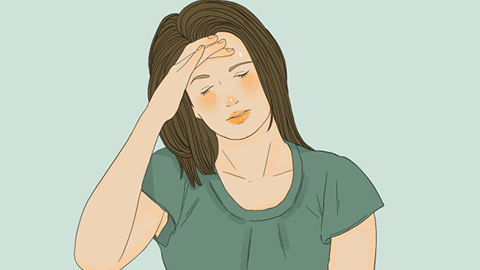
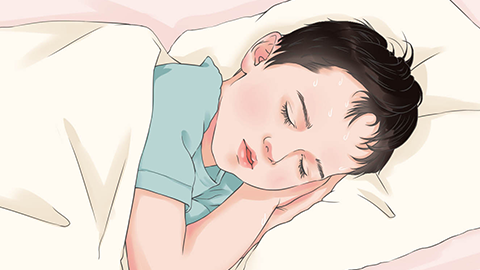
Spontaneous sweating is commonly triggered by overwork or prolonged illness. The timing of sweating differs between spontaneous sweating and night sweats: night sweats occur specifically during sleep at night and resolve upon awakening in the morning, whereas spontaneous sweating generally occurs during the day and is often accompanied by shortness of breath, fatigue, and mental exhaustion.
In daily life, patients should maintain a positive mindset, actively cooperate with their physicians’ treatment plans, take prescribed medications regularly and as directed, and pay close attention to routine self-care—thereby promoting timely improvement of their condition. We hope this explanation proves helpful.






