Should individuals with spleen deficiency and excessive dampness take Guipi Wan or Jianpi Wan?
Aug 24, 2022
Source: Cainiu Health

Dr. He Haochen
Introduction
Individuals with spleen deficiency and excessive dampness may, under a physician’s guidance, consider using Jian Pi Wan (Spleen-Strengthening Pills). Jian Pi Wan functions to strengthen the spleen and stomach and to alleviate diarrhea and promote diuresis. Gui Pi Wan (Spleen-Nourishing and Blood-Enriching Pills), by contrast, nourishes the blood and calms the spirit.
“Spleen deficiency with dampness” refers to a pathological condition in which spleen deficiency impairs its normal transportation and transformation functions, allowing external dampness to invade internally while internal dampness fails to resolve—resulting in mutual reinforcement of internal and external dampness and accumulation of damp pathogens. This damp accumulation obstructs the normal ascending and descending movements of Qi, thereby causing disease. Key symptoms include headache, chest tightness, poor appetite, and abdominal distension.
Some patients experiencing symptoms of spleen deficiency consider using traditional Chinese patent medicines for health maintenance. However, when they visit a pharmacy to purchase medication, they find two commonly available options: Guipi Wan (Restorative Spleen Pill) and Jianpi Wan (Spleen-Strengthening Pill). Moreover, based on their names alone, both appear to target spleen regulation—leaving patients uncertain which one to choose. So, for spleen deficiency accompanied by excessive dampness, should one take Guipi Wan or Jianpi Wan?
Which is more appropriate for spleen deficiency with dampness accumulation: Guipi Wan or Jianpi Wan?
For spleen deficiency with pronounced dampness, Jianpi Wan may be selected under the guidance of a qualified TCM practitioner. Jianpi Wan strengthens the spleen and stomach and helps alleviate diarrhea and promote urination. In contrast, Guipi Wan primarily nourishes the blood and calms the mind. “Spleen deficiency with dampness” refers to impaired spleen function leading to poor transportation and transformation, allowing external dampness to invade while internal dampness fails to resolve—resulting in mutual exacerbation of internal and external damp pathogens. This condition manifests clinically as headache, chest tightness, poor appetite, abdominal distension, bodily edema, dysuria (scanty, difficult urination), and abnormal bowel movements.
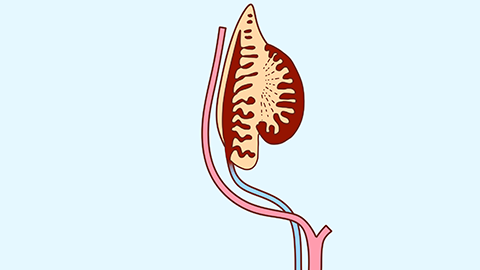
Jianpi Wan consists of ingredients including Atractylodes macrocephala (Baizhu), Aucklandia lappa (Mu Xiang), Coptis chinensis processed with wine (Jiu Chao Huanglian), Glycyrrhiza uralensis (Gancao), Poria cocos (Baifuling), Panax ginseng (Renshen), fermented Massa Medicata Fermentata (Chao Shenqu), Citrus reticulata peel (Chenpi), Amomum villosum (Sharen), germinated Hordeum vulgare (Chao Maiya), Crataegus pinnatifida (Shanzha), Dioscorea opposita (Shanyao), and Myristica fragrans (Roudoukou). It functions to strengthen the spleen and stomach, aid digestion, and relieve diarrhea.
Guipi Wan contains Astragalus membranaceus (Huangqi), Angelica sinensis (Danggui), Codonopsis pilosula (Dangshen), Dimocarpus longan aril (Longyanrou), Atractylodes macrocephala stir-fried (Chao Baizhu), Aucklandia lappa (Mu Xiang), Poria cocos (Fuling), Polygala tenuifolia (Zhigancao), Ziziphus jujuba seed stir-fried (Chao Suanzaoren), honey-processed Glycyrrhiza uralensis (Mi Zhi Gancao), and Ziziphus jujuba fruit (Hongzao). It is a commonly used formula that tonifies Qi, strengthens the spleen, nourishes the blood, and calms the mind. Therefore, selection of the appropriate medication must be based on the patient’s specific clinical presentation.
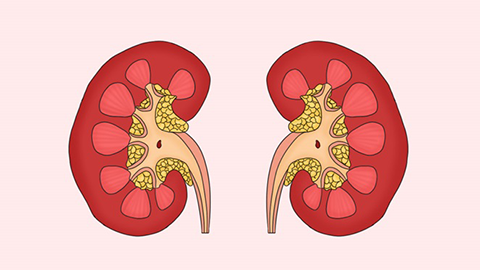
If disease-related symptoms are observed in daily life, timely medical evaluation and diagnosis are essential, and patients should actively cooperate with their healthcare provider’s treatment plan. We hope this information proves helpful to you.