


Symptoms of Liver Qi Stagnation and Spleen Deficiency
Aug 24, 2022
Source: Cainiu Health

Dr. He Haochen
Introduction
Symptoms of liver qi stagnation and spleen deficiency typically include cold intolerance, pallor, physical frailty, excessive sweating, inability to perform strenuous physical labor, marked fatigue upon exertion, easy development of facial pigmentation spots, sore throat, and discomfort in the shoulders and back. Another important feature is a heightened susceptibility to gastrointestinal disorders; for instance, consuming cold foods or exposure to cold wind may trigger diarrhea.
Today, people face immense pressure—both occupational and psychological—and prolonged exposure to such stress can eventually lead to health problems. Individuals aged 20–40 are increasingly prioritizing health awareness. Kidney Yang deficiency can be treated with medications or dietary therapy. However, patients with Kidney Yang deficiency must follow their physician’s guidance when undergoing pharmacological or dietary treatment. What, then, are the symptoms of Liver Qi Stagnation combined with Spleen Qi Deficiency?
Symptoms of Liver Qi Stagnation Combined with Spleen Qi Deficiency
Individuals with Liver Qi Stagnation and Spleen Qi Deficiency commonly experience cold intolerance, pallor, physical frailty, excessive sweating, inability to perform strenuous physical labor, profound fatigue upon exertion, facial hyperpigmentation (e.g., dark spots), sore throat, and discomfort in the shoulders and back. Importantly, they are also highly susceptible to gastrointestinal disorders. Consuming cold foods or exposure to cold wind may trigger diarrhea and result in loose, unformed stools.

Women may additionally suffer from dysmenorrhea and prolonged menstrual periods. Some symptoms may resemble emotional distress—for instance, recurrent oral ulcers, insomnia, and irritability. In fact, these manifestations may stem from underlying Yang deficiency. In Traditional Chinese Medicine (TCM), this pattern is termed “true cold with false heat.” Accurate diagnosis requires clinical experience and should be performed by a qualified TCM practitioner for proper pattern differentiation and treatment. In daily life, individuals should engage in regular physical activity to enhance systemic blood circulation, thereby boosting energy levels.
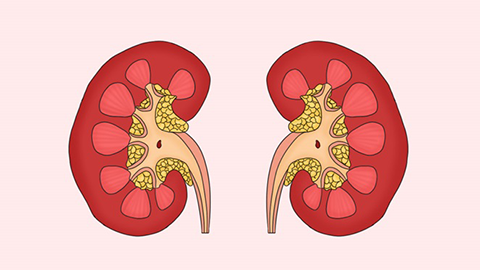
Regular exercise is recommended to strengthen immunity and improve resistance to disease. We hope this response proves helpful to you.




