Contact Dermatitis Symptoms
Aug 24, 2022
Source: Cainiu Health

Dr. Liu Wan
Introduction
Contact dermatitis primarily manifests as erythema and papules on the skin. In severe cases, erythema, swelling, and vesicles may develop. Rupture of vesicles can lead to epidermal erosion, desquamation, or even necrosis; skin lesions occurring in areas with loose connective tissue are accompanied by marked swelling. When contact dermatitis occurs, affected areas may be associated with sensations such as burning, pain, and pruritus.
Dermatitis is a skin functional disorder characterized by evident skin lesions, causing significant disruption to patients’ daily lives; its potential harm must not be underestimated. Therefore, it is essential to understand the underlying causes of this condition and implement preventive measures proactively. But what are the symptoms of contact dermatitis?
Symptoms of Contact Dermatitis
Contact dermatitis primarily manifests as erythematous plaques and papules on the skin. In severe cases, symptoms may include marked erythema, edema, and vesicles. Rupture of vesicles can lead to epidermal erosion, desquamation, or even necrosis. Skin lesions occurring in areas with loose connective tissue (e.g., eyelids, scrotum, or genitalia) are typically accompanied by pronounced swelling. Affected areas often elicit sensations such as burning, pain, or pruritus. Systemic manifestations—including fever and headache—may also occur when widespread cutaneous involvement is present. Upon onset of contact dermatitis, patients should actively identify the causative agent and initiate appropriate pharmacological treatment.
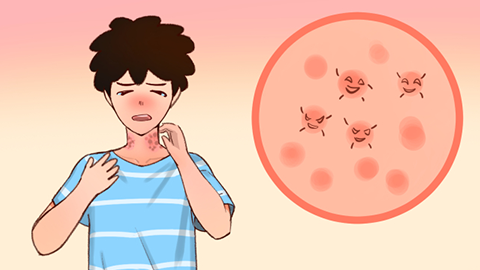
The clinical presentation of contact dermatitis is highly variable. Lesions predominantly occur at sites of direct contact with the offending agent and commonly include erythema, papules, vesicles, papulovesicles, exudation, crusting, fissuring, and scaling. Virtually all types of primary and secondary skin lesions may appear in contact dermatitis. Beyond cutaneous manifestations, severe cases may also trigger systemic symptoms. Secondary infection—especially if extensive—can result in fever, dizziness, and headache. In cases of widespread, severe contact dermatitis, life-threatening complications such as shock and respiratory distress may develop.
Patients are advised to maintain good personal hygiene and healthy lifestyle habits—such as avoiding tobacco and alcohol, and adhering to regular sleep schedules (going to bed early and rising early)—to promote overall physical and mental well-being. We hope this information proves helpful to you.